Solve Creative Block With AI Tools
TL;DR
Understand why creative blocks happen and learn how AI tools can help you break through mental roadblocks.
Why Creative Blocks Happen
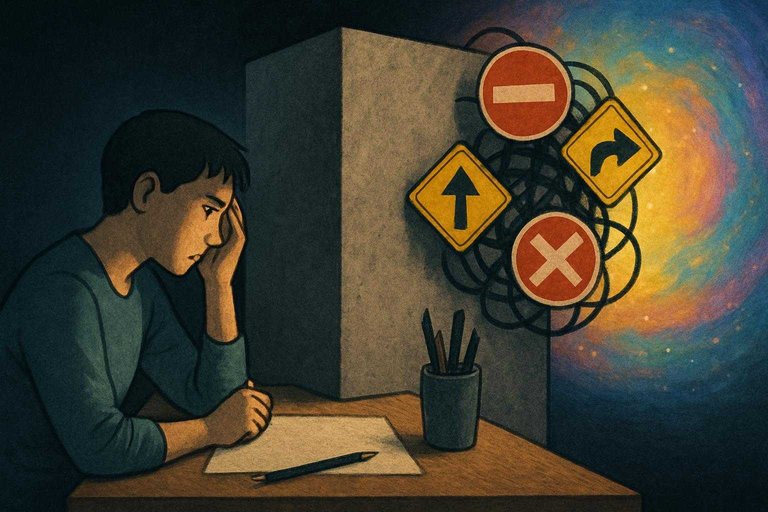
Creative blocks can be frustrating and feel like they’re hitting you out of nowhere, but they happen for real, underlying reasons. By understanding what causes these mental traffic jams, you can recognize the early signs and address them more effectively. In this section, we’ll break down why creative blocks occur, from the inner workings of your mind to external pressures and habits that stall your flow.
Inside the Mind’s Roadblocks
Many times, creative blocks stem from our own psychology. Stress, anxiety, and self-doubt often creep in uninvited and crowd out your creativity. These mental barriers can be the result of past failures, fear of judgment, or even a lack of confidence in your ideas. Sometimes, the mind simply gets stuck in repetitive thought patterns, making fresh ideas feel out of reach.
These blocks often strike when you least expect them—right as you’re starting a new project or trying to finish an important task. Exploring internal causes can help you notice when unhelpful thoughts are keeping you from moving forward. By understanding your mental habits and how they form, you become better equipped to break free and get your ideas flowing again.
Perfectionism’s Sneaky Grip
Perfectionism might seem like a good trait, but it often does more harm than good when it comes to creativity. When you set impossibly high standards for your work, it becomes difficult to start or complete anything. You constantly second-guess your choices, edit as you go, and rarely feel satisfied with your progress. This slows down your momentum and turns simple tasks into major roadblocks.
- Perfectionism stifles experimentation
- Fear of mistakes silences creative ideas
- Self-criticism limits progress
Rather than letting yourself explore and experiment, perfectionism keeps you stuck in a loop of self-criticism. The fear of making mistakes or creating something ‘not good enough’ can silence your unique voice and creative ideas. Recognizing perfectionism is the first step to moving past it and freeing your creative mind.
The Overwhelm Trap
In today’s world, it’s easy to feel overwhelmed by the sheer amount of information and constant demands on your attention. When your mind becomes overloaded with too many ideas, tasks, or deadlines, it’s hard to focus and even harder to create. This overwhelm often leads to burnout—a state where both energy and inspiration run dry.
If you find yourself bouncing between endless tabs or jumping from one idea to the next without making progress, you’re likely caught in the overwhelm trap. Taking steps to manage information intake, set boundaries, and prioritize rest is crucial. Only by clearing some mental space can you make room for creative thoughts to grow.
Reimagine Brainstorming With AI
Unlocking creativity sometimes means changing how we approach brainstorming. Modern AI tools offer a fresh lens for breaking through creative barriers, turning the daunting blank page into a springboard for new ideas. Here’s how these innovative solutions can transform your brainstorming sessions.
From Blank Page to Breakthrough
Staring at a blank document can be intimidating for anyone. AI-driven prompts and generators are designed to jumpstart the creative process by offering tailored suggestions based on your project or interests. Simply input a word, topic, or theme, and these AI tools generate idea lists, hooks, outlines, or questions to explore.
The beauty of these prompts is their ability to spark unexpected trains of thought or reveal unexplored angles. Instead of struggling to come up with the first idea, you suddenly have a menu of possibilities to choose from. This approach helps creative teams and individuals overcome inertia and move quickly from brainstorming to concrete concepts.
Collaborate With Digital Muses
AI has evolved beyond being just a passive tool—today, it acts as a creative partner. Tools like chatbots and AI co-creation platforms engage in dynamic brainstorming, bouncing ideas back and forth, asking questions, and suggesting variations you might not have considered.
- Dynamic idea exchanges
- Instant adaptation to feedback
- Multiple scenario exploration
- Reduction of creative isolation
For writers, designers, or marketers, this means you can experiment with multiple scenarios, story arcs, or campaign angles, refining ideas together with AI until something truly exciting emerges. The collaborative process can generate richer results and removes the sense of isolation often felt during brainstorming. If you want to explore a tool designed to support deeper creative thinking, check out the FlexMind system, which scaffolds iterative idea exploration using AI.
Unexpected Inspiration Sources
AI tools have access to massive datasets, enabling them to find patterns, references, and connections that may remain unnoticed by humans. By analyzing thousands of articles, artworks, or brand campaigns, AI can surface unusual associations or emerging trends, lending a new perspective to your creative work. Whether you’re crafting a business tagline or outlining a novel, these connections provide fresh angles, surprising mashups, or thematic links.
Even a simple prompt can lead you to inspiration from a completely different industry, culture, or time period. Ultimately, these sources expand your imagination’s reach and fuel ideas that break free from the expected. For a practical example of how AI can accelerate the creative process, read about how Lovart can build entire brand kits from a single prompt.
Breakthroughs With Visual AI Tools
Creative professionals often get stuck staring at a blank page, struggling to turn ideas into visuals. Thanks to leaps in AI technology, you can now spark inspiration, redefine artistic styles, and assemble mood boards faster than ever. Visual AI tools give you the power to break through creative barriers and experiment fearlessly.
Turn Words Into Art Instantly
Stuck on a concept? AI-powered text-to-image generators can bail you out instantly. Tools like Midjourney, DALL·E, or Adobe Firefly let you type any creative prompt and watch vivid images appear within seconds. Whether you’re brainstorming logo ideas, storyboards, or scenes for a campaign, you simply describe your vision and let the AI craft it visually.
- Instantly visualize prompts
- Iterate concepts with easy tweaks
- Communicate ideas with visuals quickly
By quickly translating your ideas into images, you can iterate faster—tweaking details, changing moods, or testing color palettes with just a few prompt changes. These instant visualizations help you communicate with clients, teammates, or collaborators more effectively, getting everyone excited about what’s possible.
Fresh Takes on Familiar Styles
AI doesn’t just generate original images—it also brings new twists to existing work. With style transfer technology and remix tools, you can give your current art an entirely new vibe. Upload an illustration or photo, and AI can apply styles ranging from famous artists to futuristic digital textures. The result? New versions of familiar content that feel bold and inventive.
These creative remixes save time for designers who need variety or quick style options for different campaigns. They also help artists experiment without worrying about wasting hours on unsatisfying edits. With AI, you unlock creative paths that blend the old with the new, pushing the boundaries of your usual style. For a closer look at the science of what causes creative blocks—and tips for overcoming them—explore the neurological and psychological reasons behind creative block.
Mood Boards Made Effortless
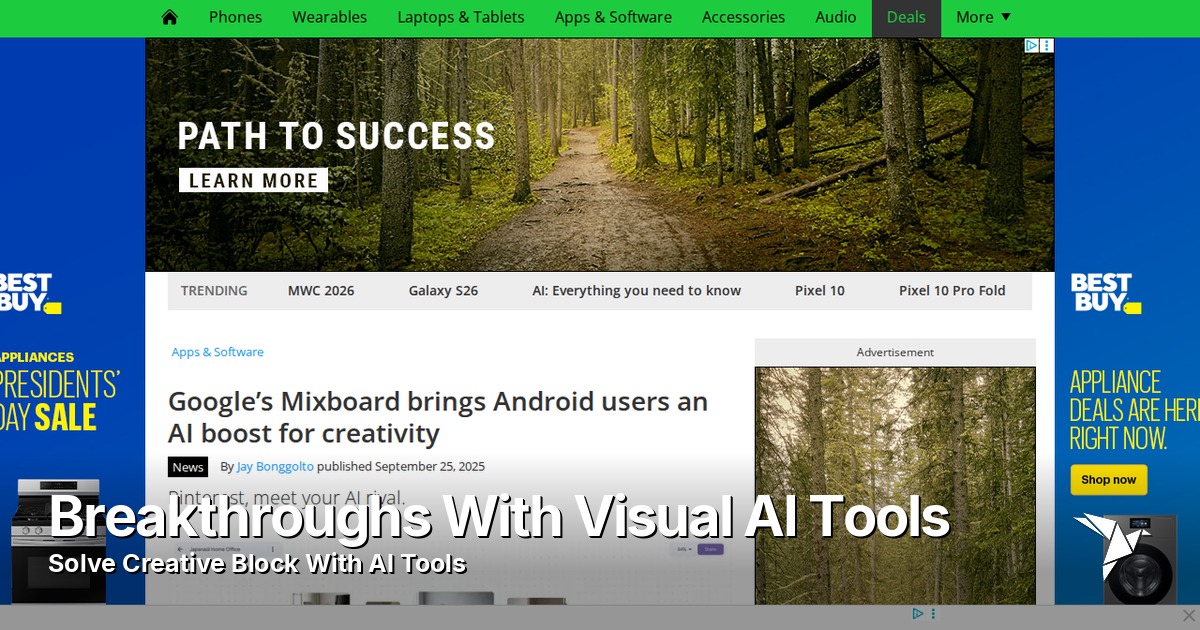
Assembling visual inspiration shouldn’t be a slow process. AI-powered mood board generators now pull relevant images, colors, and themes together with just a simple prompt. Instead of hunting through endless folders or websites, tools like Milanote or Canva’s AI features can suggest compositions, curate palettes, and organize references in a matter of seconds. For Android users, Google’s Mixboard AI-powered app can also accelerate brainstorming with instant visual remixing.
This automation allows creative teams to focus on refining their vision rather than on gathering assets. AI-driven mood boards make it simple to spot trends, identify gaps, and communicate design direction. The result? You move from inspiration to creation much faster, with more clarity and less hassle.
Writing Unstuck: AI for Authors
Staring at a blank screen can be daunting for any writer. With AI tools designed specifically for authors, writer’s block doesn’t stand a chance. These technologies are changing the way authors brainstorm ideas, refine their prose, and find their distinctive voice.
Plot Twists at the Ready
Getting stuck on what happens next? AI-powered story generators can kick your creativity into gear. Tools like Sudowrite, Jasper, and Story Shack use advanced machine learning to suggest fresh plot points, unexpected twists, and unique character details. Just feed the tool a basic premise or brief outline, and in seconds you’ll receive an array of imaginative directions to explore. These platforms aren’t just about random prompts—they use storytelling patterns, genre conventions, and narrative logic to ensure the suggestions feel organic to your world.
Beyond sparking plot ideas, some tools can even construct complex timelines or create dialogue samples based on your character descriptions. Whether you’re an outliner or a seat-of-the-pants writer, these AI assistants make sure you never run out of story cliffs to climb.
Edit Like a Pro, Instantly
Editing can be tedious, but AI editors streamline the process. Tools such as Grammarly, ProWritingAid, and Hemingway Editor don’t simply flag grammar errors; they offer insightful suggestions on style, clarity, and tone. These AI platforms analyze your draft in real time, highlighting awkward phrasing, passive voice, and even opportunities to improve pacing. Importantly, they’re designed to make helpful edits without stripping away your unique literary fingerprint.
Use these AI editors to polish short stories, novels, or even social media posts. The result? Clean, compelling writing that stays true to your original intent—but with a level of shine that would impress any professional editor.
Find Your Unique Voice Faster
Your writing voice is your signature, but it often takes years to refine. AI can speed up this journey by analyzing your writing samples for stylistic quirks, word choices, and sentence rhythms. Platforms like Sudowrite’s Voice feature or Grammarly’s tone detector help you see what makes your style stand out.
Once AI identifies your voice patterns, it can suggest ways to sharpen or diversify them:
- Want to sound more suspenseful or witty?
- Need help with tone inconsistencies?
- Looking for tailored prompts to motivate you?
The right tool can show you examples and guide your improvements. In no time, you’ll recognize—and amplify—your most authentic, engaging writing self.
Addressing Skepticism: Does AI Kill Originality?
The rise of AI in creative industries sparks a fundamental concern: can artificial intelligence truly coexist with authentic human ingenuity? Some worry that using AI will make art, writing, and design feel formulaic or soulless.
However, a closer look reveals that AI, when used thoughtfully, tends to fuel originality rather than diminish it.
Human Creativity Enhanced, Not Replaced
Think of AI as a powerful ally in your creative journey, not a replacement for your unique voice. AI tools can suggest novel ideas, generate fresh prompts, or help you brainstorm solutions during a creative block. Yet, the direction and final choices remain firmly in your hands. For instance, musicians use AI to experiment with new sounds, but it’s their ear and intuition that shape the final track. Similarly, writers leverage AI to break through writer’s block, but the story’s style, tone, and message express their personality. By automating mundane tasks and sparking inspiration, AI lets creators focus on what matters—injecting their work with passion, emotion, and originality. If you’re struggling with creative blocks, some practical advice can be found in these essential tips and tricks for overcoming creative blocks, which highlight proven strategies to get inspired and keep going.
Keep Your Signature Touch
Using AI creatively doesn’t mean sacrificing your personal flair. To make sure your work remains authentic, use AI as a springboard for ideas—then filter, refine, and personalize its suggestions.
Strategies to blend AI with your creativity:
- Start with an AI-generated draft.
- Infuse it with your perspective, voice, and nuanced storytelling.
- Use AI for technical improvements or to jumpstart brainstorming.
- Share drafts with trusted peers for feedback, ensuring your unique vision stands out.
By blending AI’s capabilities with your creative instincts, you guarantee that your signature style stays front and center.
Red Flags: When to Say No to AI Help
Despite its strengths, AI isn’t always the answer. Certain creative decisions require deep context or emotional resonance that AI simply doesn’t understand. For example, when crafting a highly personal piece or art meant to challenge norms, trust your intuition over AI’s recommendations. Recognize moments when AI-generated options feel generic, repetitive, or disconnected from your intent. In these cases, take a step back and let your natural instincts lead the way. Using AI responsibly means knowing when it enhances your work—and when it’s better to set it aside to protect the honesty and distinct voice your project deserves.
Build an AI-Powered Creative Routine
Supercharge your creativity by designing a daily routine that harnesses the strengths of AI alongside your own intuition. When you thoughtfully integrate innovative tools with tried-and-true creative habits, you lay the foundation for consistent, energized output.
Craft Your Ideal Daily Workflow
Start by mapping out your creative process and identifying which stages could benefit from a technological boost. For example, use AI-powered brainstorming platforms in your morning idea sessions to generate fresh angles, while setting aside intentional “tech-free” time for analog sketching or writing. Let AI handle repetitive prep work, such as curating reference materials or organizing your notes, so you can focus on the big-picture thinking and hands-on creation that drive your unique perspective.
By blending smart tool use with offline exploration, you avoid burnout, maintain originality, and sustain productivity day after day. For instance, academic research on AI collaboration tools like BioSpark demonstrates that AI can increase both the quantity and creativity of your ideas, making these technologies a powerful complement to traditional methods.
Sample workflow structure:
- Morning: Use AI for idea generation and reference curation
- Midday: Analog creation time (sketching, writing, prototyping)
- Afternoon: AI-assisted organization and editing
- Evening: Reflect on progress, plan adjustments for tomorrow
Measure, Tweak, and Grow
Track your creative output to spot patterns and identify which parts of your AI-assisted routine truly spark progress. This could mean measuring how many concepts you develop each week, the time saved on research, or even your mood before and after using certain tools.
Use these insights to refine your process: try new AI features, experiment with different time blocks for tech use, or adjust the intensity of analog sessions. Embrace a mindset of curiosity and continuous improvement—small tweaks over time will help you build a routine that not only fosters creativity but also adapts as you evolve. If you’re struggling to keep your momentum, understanding the root causes of creative blocks can help you make focused adjustments and regain inspiration.
Ideas for tracking and improvement:
- Log daily output (ideas, drafts, sketches, finished pieces)
- Note mood/energy levels after tech and analog blocks
- Set monthly goals for trying new AI tools or techniques
Community Wisdom: Share and Discover
Don’t tackle the journey alone. Join online communities where artists and creators share how they blend AI into their own routines. Platforms like Reddit, Discord, and specialized forums offer rich discussions, feedback on tool choices, and answers to your workflow questions.
Sharing your experiences and learning from others opens up new perspectives and keeps inspiration flowing. These communities can help you troubleshoot challenges, uncover fresh techniques, and build a support network invested in pushing creative boundaries with AI. Lean on collective wisdom to stay motivated and innovate alongside like-minded peers.
Related Articles
How to Write Social Media Posts That Don't Sound Like AI
AI-sounding posts get scrolled past and downranked. Here's how to spot the tells and write social media posts that read like a real person wrote them.
AI Content Creation for Social Media: From Idea to Published Post in One Command
Use Claude or GPT to generate platform-specific social media content and publish via Publora MCP in one command. Prompt engineering tips, quality control, and workflow examples.
Unlock New Content Ideas With AI
Break through idea bottlenecks with AI-powered brainstorming to consistently create fresh, engaging content.
Reference Strategies for Effortless Social Posting
Build a content library to post effortlessly. Learn why saving content saves time and keeps your voice consistent.