Unlock New Content Ideas With AI
TL;DR
Break through idea bottlenecks with AI-powered brainstorming to consistently create fresh, engaging content.
Why Your Ideas Hit a Wall
Even the most talented creators run out of inspiration from time to time. Understanding what causes your creative blocks can help you break through and consistently publish fresh, engaging content. Let’s look at the biggest reasons your ideas might hit a roadblock.
The Idea Bottleneck
Nearly everyone experiences a creative bottleneck at some point in their content creation journey. When you rely on the same brainstorming routines or sources for inspiration, your mind starts cycling through the same concepts repeatedly. This leads to familiar themes and ideas that, while comfortable, can quickly grow stale. As a result, your creative process slows down and your content may feel repetitive to your audience.
Here’s how idea bottlenecks impact your creativity:
- Repetitive themes make content feel stale
- Regular publishing pressure increases frustration
- Creative burnout develops over time
The pressure to publish regularly only makes this worse, often causing frustration and a sense of burnout. Recognizing this bottleneck is the first step toward breaking free. By actively seeking new sources of inspiration or changing your creative workflow, you can begin to shake off the monotony and rediscover your sense of excitement for new ideas.
Blind Spots You Miss
All content creators develop certain habits and preferences over time. While these can help establish a personal style or niche, they also create blind spots that limit the diversity of your content. Habits in research, writing, and topic selection can guide you back to the same ideas and angles repeatedly, leaving fresh opportunities unexplored. In addition, personal biases — often unconscious — can make it difficult to see topics from new or diverse perspectives. You might assume your audience isn’t interested in a certain area, or overlook topics that seem out of your comfort zone. These blind spots are subtle, but they quietly narrow your creative vision. By openly acknowledging and addressing them, you open yourself up to a broader world of ideas and viewpoints.
Competitive Content Fatigue
With thousands of new articles, videos, and social posts published daily, it’s easy to become overwhelmed by how much content already exists. Scrolling through feeds or searching for inspiration can often yield the same topics, headlines, and themes — again and again. This saturation breeds what experts call content fatigue. You start to feel that every idea is already taken, or that your voice won’t stand out in the crowded digital landscape. Creative energy drains as self-doubt creeps in, making it harder to innovate or take risks with new concepts. Suffering from competitive content fatigue is natural, but recognizing its effects is key. Understanding this challenge helps you seek out new angles and breaks you from the cycle of imitation, so you can bring genuine originality to your work.
AI: The Creative Catalyst
AI is transforming how we approach content creation, acting as a powerful tool that helps creators and marketers generate fresh, relevant ideas faster than ever before. By harnessing advanced algorithms and massive datasets, AI does more than automate— it injects energy and innovation into the brainstorming process.
Let’s explore why AI stands out as a creative catalyst, especially when compared to traditional human ideation, and how it harnesses patterns and delivers instant inspiration.
AI vs. Human Brainstorming
Human teams bring intuition, empathy, and unique experiences to brainstorming sessions. They draw from personal insights and cultural cues to shape creative ideas. However, these sessions can sometimes fall into familiar patterns or groupthink, limiting originality or speed. In contrast, AI tools break out of these limits by mining information from countless sources and generating ideas without bias or fatigue.
Key differences between human and AI brainstorming:
- Humans excel in storytelling and emotional nuance
- AI generates unbiased and wide-ranging ideas quickly
- Combining both leads to the most innovative results
AI platforms can quickly survey trending topics, recent studies, and changing audience behaviors across the web. They suggest angles and themes often overlooked by teams steeped in routine. While humans excel at storytelling and emotional nuance, AI turbocharges the idea pipeline and ensures no stone is left unturned. The true magic happens when human creativity and AI’s data-driven suggestions combine, opening up a broader and more exciting field of content possibilities. For deeper insight into how AI tools are supporting creators in overcoming burnout and routine thinking, explore this resource on overcoming creative blocks with AI assistance.
Pattern Recognition Power
AI thrives on sifting through vast amounts of data to uncover insights that manual approaches might miss. Modern AI algorithms scan search trends, social shares, and content archives to reveal emerging gaps or overlooked topics. Unlike humans, who may focus on what’s familiar, AI highlights patterns in what people are searching for, talking about, and sharing right now—often before these trends reach mainstream attention.
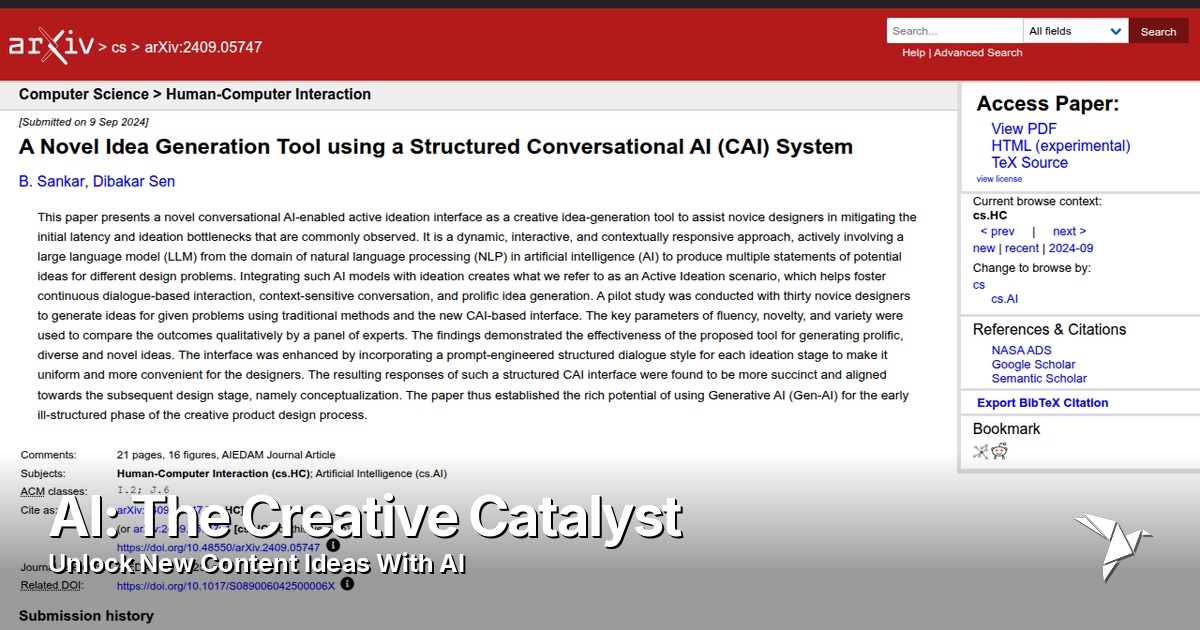
For content strategists, this means finding unique topics that feel fresh and relevant, helping your material stand out in search results and on social media feeds. By mapping connections between ideas and pinpointing what’s missing in your niche, AI can offer content recommendations that turn a regular editorial calendar into a hotbed of innovation. To see how conversational AI can help uncover novel angles and overcome ideation bottlenecks, review this approach using AI-enabled ideation interfaces. Harnessing AI’s pattern recognition puts you a step ahead of competitors still relying solely on gut feeling or simple keyword research.
Instant Inspiration Engines
Every content creator knows that hit of excitement when a new idea sparks—but burnout can hit quickly when you’re constantly under pressure to innovate. This is where AI-powered ideation tools truly shine. Leading platforms like ChatGPT, Jasper, and Copy.ai can generate dozens of ideas in seconds, tailored to your niche and audience. Simply input a topic or theme, and these platforms serve up headlines, article outlines, angles, and even content briefs instantly.
Benefits of instant AI inspiration:
- Quickly beat creative blocks
- Save hours of brainstorming time
- Curate ideas to fit your unique style
This wave of rapid inspiration not only helps you beat the blank page but also saves hours spent brainstorming. You can review, refine, and remix ideas, turning AI-generated prompts into content that reflects your unique voice. The result? A full pipeline of engaging topics, less creative fatigue, and more time to focus on producing high-quality stories that resonate with your readers.
Your AI Idea Toolkit
Discover how to transform your content strategy using AI with practical tools, smart approaches, and creative thinking. This section reveals how to prompt AI for stellar ideas, leverage audience data, tailor outputs to your voice, and dig up unique content angles you’ve never considered before.
Prompting for Gold
AI is only as brilliant as the prompts you give it. Crafting the right questions can turn a generic tool into your secret content weapon. Get specific: Instead of asking, “Give me blog ideas,” try, “Suggest five blog post ideas for small business owners starting an e-commerce site in 2024.” The more context you provide, the richer and more relevant the ideas become.
Here’s a real example:
- If you want to brainstorm social media posts for a sustainable beauty brand, prompt, “Generate 10 Instagram caption ideas for eco-friendly beauty products launching this summer.”
- Also, play with styles or tones, like, “List video script ideas for TikTok in a witty and casual style.”
Experiment by tweaking your prompt’s detail, format, or even intention (“Give pros/cons, suggest trends, list step-by-step guides”). Remember, if the first answer isn’t golden, refine your prompt; sometimes a slight change unlocks a whole new treasure trove of content ideas.
Combining AI With Audience Data
One of the smartest ways to generate impactful content ideas with AI is to feed it what your audience actually cares about. Start with data from your analytics—look at your top-performing content, user search terms, comments, and social media engagement. This raw audience intelligence tells AI exactly what resonates.
For instance, provide a prompt like: “Based on these five most viewed blog topics on my site, suggest new article angles my readers will love.” Even better, add demographics or interests: “Suggest newsletter themes for millennial travelers who want to balance adventure with sustainability.”
By plugging your real audience preferences into your prompts, AI rapidly becomes a source of highly relevant and actionable content ideas. This data-driven approach keeps your content fresh, focused, and directly aligned with what your audience seeks.
Tweaking AI Outputs for Voice
Even the best AI-generated ideas need refining to truly reflect your brand. Start by reviewing the tone and style of AI outputs: Are they professional, playful, or authoritative? Adjust them to suit your brand’s unique personality. For example, if your brand is fun and quirky, rewrite bland AI suggestions in a way that matches your voice.
Ask the AI to imitate your style by training it with your past headlines or articles. Use prompts like,
- “Rewrite these blog ideas in the friendly, conversational voice found in this example post.”
- “Make these listicle headlines sound more daring and adventurous.”
Don’t overlook small edits: tweak word choices, add brand-specific phrases, or inject your company’s values into every topic. With a little fine-tuning, you’ll transform generic AI outputs into content ideas that feel like they came straight from your team.
Mining Unusual Angles
AI doesn’t just generate obvious content—it can also help you surface unconventional ideas you’d overlook alone. Try prompts that encourage fresh thinking, such as, “What’s a contrarian opinion about [topic]?” or “Suggest unusual content angles for [industry] readers who think they’ve seen it all.”
Push boundaries with questions like, “Give me untold stories behind [trend],” or “Suggest content formats that challenge the status quo in [your field].” This is a great way to find overlooked issues, new trends, or hidden opportunities that differentiate your brand.
The key is to keep experimenting. The more creative and open-ended your prompts, the more likely AI will surprise you with innovative and offbeat concepts. Use these unusual ideas to create content that stands out in crowded niches.
Pitfalls and Ethical Red Flags
While AI offers powerful support in generating new content ideas, it also comes with potential downsides and ethical challenges. Recognizing and addressing these is crucial to ensure your content remains fresh, original, and ethical.
Avoiding Cookie-Cutter Results
AI often relies on vast pools of existing data, which can lead to bland, generic, or repetitive content suggestions. If you notice that your AI-suggested ideas feel familiar—or even stale—it might be because the technology is drawing on commonly used phrasing or concepts across the web. This is a common pitfall, especially if you stick to default prompts or do not tailor input to your specific needs.
To steer clear of cookie-cutter results, get specific with your prompts and feed the AI detailed context about your audience, brand voice, and goals. Experiment with rephrasing prompts, asking for ideas within narrow niches, or requesting unique angles.
Another tip is to use AI as a jumping-off point:
- Review the suggestions.
- Brainstorm how you can remix or combine ideas to spark originality.
Treat AI’s outputs as inspiration, not final answers. For a broader view of how creators are adapting, see how nearly all creators admit they use AI tools for work, including both the advantages and the creative challenges they navigate.
Protecting Originality
Maintaining an authentic voice and unique perspective is key to standing out. While AI can surface relevant topics and trends, it’s your human creativity that turns these insights into compelling, original content. Relying entirely on AI risks diluting your brand’s identity and may result in generic articles that feel disconnected from your audience.
To protect originality, always add a personal touch or expert insight to AI-generated ideas. Layer in real-world examples, original data, or stories from your own experience. Collaborate with AI by treating its suggestions as drafts—refine, reframe, and expand on them before publishing. Encourage your team to view AI as a collaborator, not a creator, ensuring the final product is infused with your unique perspective.
Navigating Plagiarism Risks
With the ease and speed of AI-generated content comes an increased risk of unintentional plagiarism. AI tools sometimes echo existing content too closely or even reproduce sentences from their training data. Unchecked, this can lead to copyright issues, damage your reputation, and hurt SEO performance if search engines flag your work as duplicate.
To avoid plagiarism:
- Always verify the originality of AI-assisted drafts using reliable plagiarism detection tools before publishing.
- Combine AI-generated ideas with your own research and words.
- Double-check any facts, data, or direct quotes, tracing them back to the original source.
For additional strategies, check out this guide on overcoming creative block and producing original content, which includes tips on blending AI outputs with your unique ideas. Make it standard practice to edit, rewrite, and personalize AI-generated text to ensure your voice and ideas shine through. This not only safeguards your content but also helps you maintain authority and credibility in your niche.
Putting Ideas into Practice
Great AI-generated ideas are only as valuable as your ability to turn them into published, impactful content. Transforming raw inspiration into an actionable strategy takes the right processes and a readiness to experiment. In this section, we outline clear steps to help you move from concept to content powerhouse. You’ll learn how to organize your ideas, test what works, and see how others have leveraged AI-driven topics to grow their impact.
From Idea to Editorial Calendar
Taking AI-generated content ideas and shaping them into a structured editorial calendar helps you stay focused and efficient. Start by sorting your AI-generated topics by relevance to your audience and brand objectives. Use content planning tools or simple spreadsheets to group ideas into themes, seasons, and content formats like blogs, videos, or newsletters.
- Prioritize topics that directly address your customers’ current questions or industry trends.
- Schedule publishing dates, assign owners for each piece, and include deadlines for drafts, reviews, and final edits.
- Regularly revisit and update your calendar as new AI-generated ideas surface, allowing your strategy to stay flexible and responsive.
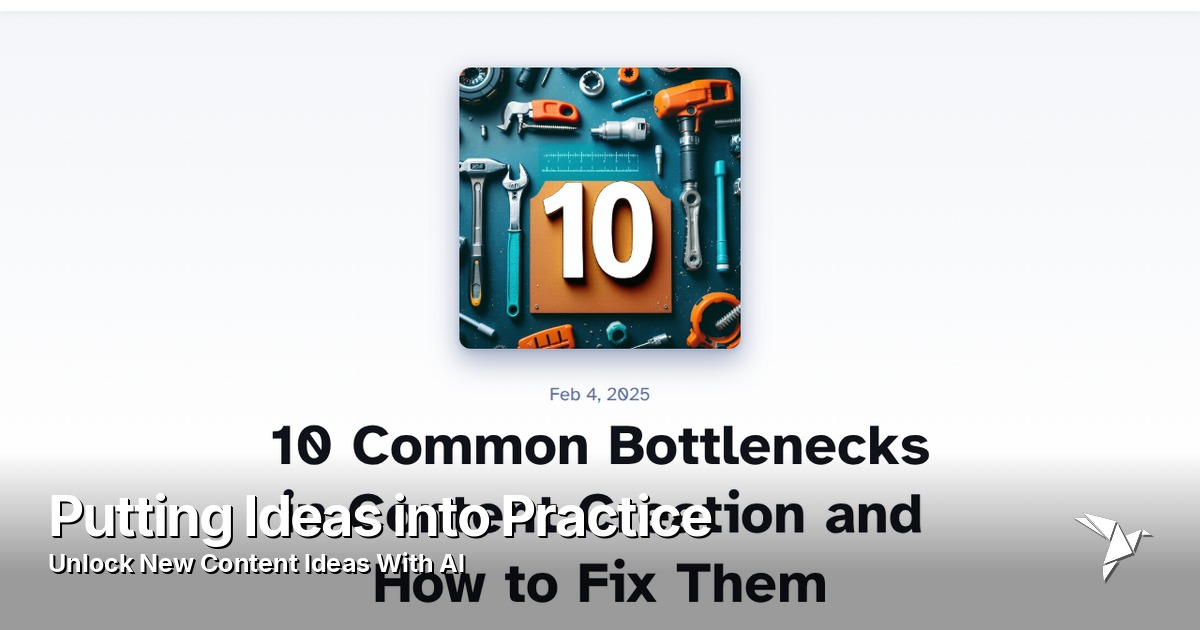
This calendar becomes your content roadmap—it keeps your team accountable and your output consistent. For additional ways to overcome content process challenges, review these common bottlenecks in content creation and how to fix them."},{
Testing and Scaling Content Wins
Not every idea will turn into a hit, so it’s smart to pilot new topics before committing major resources. Begin by creating short-form versions—like social media posts or quick blog updates—based on your AI-suggested topics. Measure how your audience reacts by tracking page views, shares, and engagement rates. Use these early signals to identify which ideas truly capture attention.
- Test your ideas with minimal investment.
- Expand on those that show strong engagement—transform winners into long-form content, video series, or email campaigns.
- Leverage tools like A/B testing to fine-tune headlines and messaging.
- Document what works and what doesn’t.
By iterating and optimizing, you create a content engine that continuously learns from real audience feedback—a key advantage of pairing AI with smart content strategy.
Case Studies: Ideas That Soared
AI-driven topic discovery isn’t just theory—brands and creators are using it to fuel breakout success. For example, a fashion retailer used AI to predict trending styles, then built timely blogs and social campaigns around them. The result? Their posts topped search results and doubled website traffic in under a month.
Another case: a B2B software provider leveraged AI tools to identify overlooked customer pain points. They produced educational videos addressing these issues, which drove up demo requests by over 40%.
These stories show that when you put AI-inspired ideas into practice with structured planning and nimble experimentation, you set the stage for standout growth. Learning from these real-world wins can inspire your own approach to harnessing AI for content breakthroughs. If you’re working through creative block or looking for strategies to stay in the flow, consider these ways to find your flow again.
Related Articles
How to Write Social Media Posts That Don't Sound Like AI
AI-sounding posts get scrolled past and downranked. Here's how to spot the tells and write social media posts that read like a real person wrote them.
AI Content Creation for Social Media: From Idea to Published Post in One Command
Use Claude or GPT to generate platform-specific social media content and publish via Publora MCP in one command. Prompt engineering tips, quality control, and workflow examples.

Solve Creative Block With AI Tools
Understand why creative blocks happen and learn how AI tools can help you break through mental roadblocks.

Reference Strategies for Effortless Social Posting
Build a content library to post effortlessly. Learn why saving content saves time and keeps your voice consistent.