Collaboration
Strategic partnerships where brands, influencers, or creators team up to co-create content and leverage mutual audiences for increased reach and engagement.
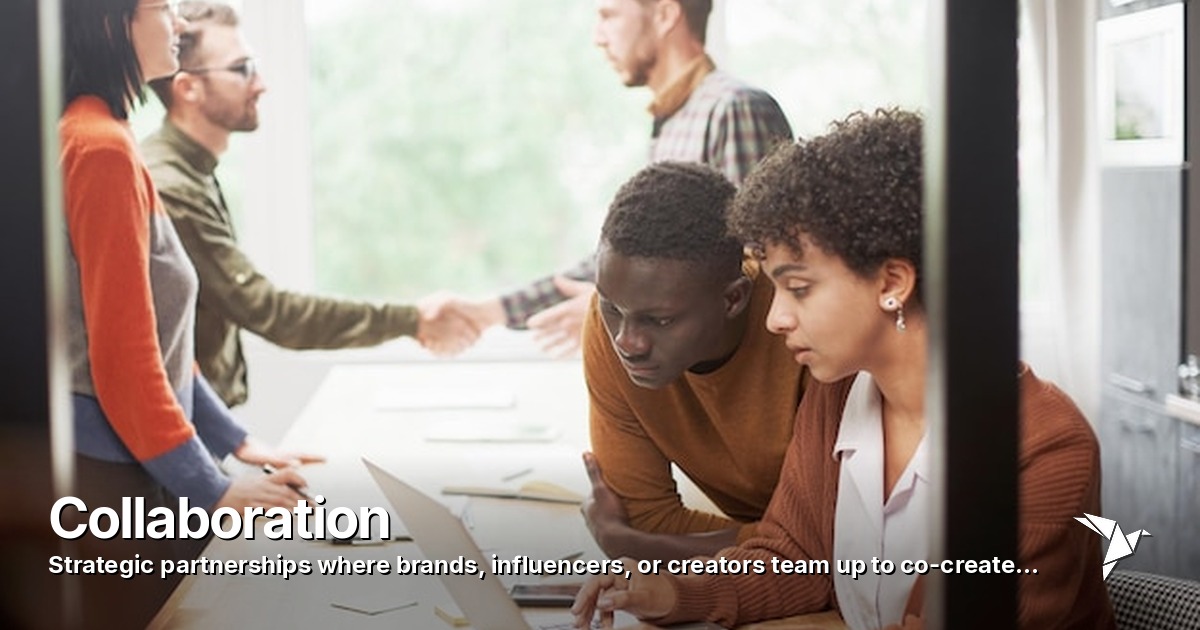
Joint marketing efforts that combine resources and audiences for mutual benefits like expanded exposure and cost efficiency.
Key Points
- ✓Partnered posts reach both collaborators' audiences, and influencer collaborations can lift likes, shares, and comments
- ✓Common formats include content co-creation, cross-promotion, and joint campaigns with shared hashtags or themes
- ✓87.49% of respondents to Influencer Marketing Hub's 2026 benchmark survey expect their influencer marketing budget to increase
- ✓Success requires aligned audiences, clear KPIs, and authentic content creation
Social media collaboration represents one of the most powerful strategies in modern digital marketing, where brands, influencers, creators, or businesses form strategic partnerships to co-create content and leverage each other's audiences. This approach goes beyond traditional solo marketing efforts by emphasizing synergy and mutual benefit 1.
Understanding Social Media Collaboration
At its core, social media collaboration is about combining resources, expertise, and follower bases to achieve common goals such as increased reach, enhanced engagement, and improved brand credibility. Unlike individual marketing campaigns, collaborative efforts focus on creating joint content like co-branded posts, shared giveaways, live streams, or cross-promotional campaigns 2.
The power of collaboration lies in its ability to tap into complementary audiences. For example, a fitness brand partnering with a nutrition influencer can create joint reels on Instagram or TikTok, effectively doubling their potential reach while providing value to both audiences.
Types of Social Media Collaborations
Content Co-Creation: Partners work together to produce original content that showcases both brands or personalities. This could include collaborative podcasts, joint live streams, or co-authored blog posts shared across multiple platforms.
Cross-Promotion: Each partner promotes the other's content or products to their respective audiences. This might involve sharing each other's posts in stories, creating carousel posts featuring partner products, or including partner mentions in regular content.
Joint Campaigns: Coordinated marketing efforts where partners launch simultaneous campaigns with shared messaging, hashtags, or themes.
Benefits and Performance Metrics
Collaborative content has built-in advantages over solo efforts. Partnered posts put content in front of both collaborators' audiences, and influencer collaborations can add credibility and lift metrics like likes, shares, and comments.
Influencer Marketing Hub's 2026 benchmark survey of 600+ respondents found that 87.49% expect their influencer marketing budget to increase, a sign that brands are putting more weight on creator partnerships 5.
Best Practices for Successful Collaborations
Partner Selection: Choose collaborators with aligned audiences, values, and goals. Use analytics dashboards to analyze demographic overlap and ensure compatibility. The most successful partnerships occur between brands or creators serving similar but non-competing audiences.
Clear Goal Setting: Establish specific KPIs before launching any collaborative effort. Whether aiming for 20% follower growth, increased website traffic, or improved share of voice, having measurable objectives ensures accountability and success measurement.
Content Authenticity: Create genuine, valuable content that feels natural to both audiences. Forced or overly promotional collaborations often fail to resonate and can damage brand credibility. Focus on storytelling and shared value propositions 4.
Platform Optimization: Tailor collaborative content to each platform's strengths. Short-form videos work well on TikTok and YouTube Shorts, while detailed discussions thrive on LinkedIn or in podcast formats.
Tools and Platforms for Collaboration
Modern collaboration requires the right tools for discovery, management, and measurement. Platforms like Collabs.io help brands find suitable partners, while Collabstr offers influencer matching with built-in ROI tracking capabilities 1.
For content management, tools like Hootsuite and Agorapulse provide team approval workflows, ensuring all collaborative content meets brand standards before publication. Native platform features also support collaboration, such as Instagram's Collabs feature for joint post ownership and TikTok's Duet functionality for creative partnerships.
When using Publora for collaborative campaigns, marketers can leverage the platform's scheduling capabilities to coordinate simultaneous posts across multiple accounts and track performance metrics in real-time, ensuring optimal timing and maximum impact.
Measuring Collaboration Success
Effective measurement goes beyond vanity metrics. Track engagement rates, audience growth, website traffic through UTM links, and conversion rates. Use A/B testing to compare collaborative content performance against solo efforts, and monitor share of voice changes in your industry.
Long-term success indicators include audience quality improvements, brand mention increases, and relationship building that leads to future collaboration opportunities. The most successful collaborative marketers view partnerships as ongoing relationships rather than one-time campaigns.
Publora and Collaboration
Free tools for social posts: a LinkedIn text formatter with a live feed preview and font generators for every major network.
Browse free tools →