Brand Partnership
A strategic collaboration between brands or brands and influencers to leverage shared audiences, resources, and credibility for mutual marketing benefits.
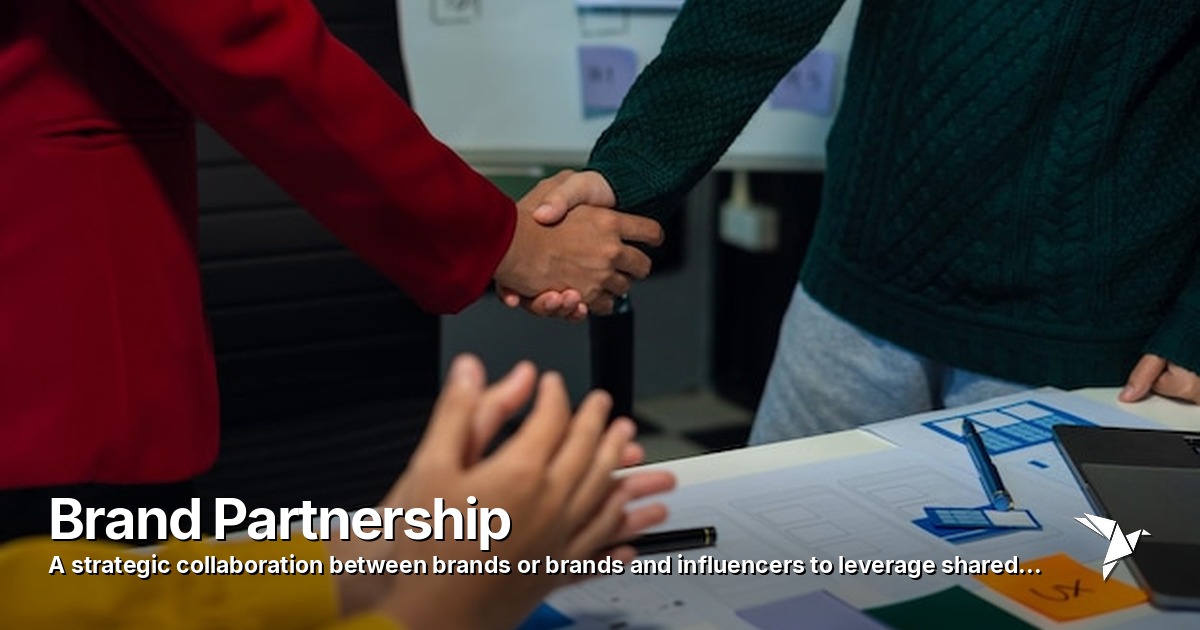
Strategic collaboration between brands/influencers to expand reach, boost engagement, and drive sales through shared content and cross-promotion.
Key Points
- ✓Strategic collaborations between brands or brands and influencers to leverage shared audiences and resources for mutual marketing benefits
- ✓Can include joint campaigns, co-created content, cross-promotions, and shared events across social media platforms
- ✓Strong growth in influencer partnerships: 72.2% of respondents to Influencer Marketing Hub's 2026 benchmark survey expected budgets to rise by 50% or more
- ✓Success requires aligned values, clear communication, transparent disclosure, and comprehensive performance measurement
A brand partnership is a strategic collaboration between two or more complementary brands—or between brands and influencers—designed to leverage each other's audiences, resources, and strengths for mutual marketing benefits. Unlike traditional advertising, brand partnerships focus on authentic, long-term relationships that create value for all parties involved, including the shared audience.
How Brand Partnerships Work in Social Media
In social media marketing, brand partnerships manifest through various collaborative efforts across platforms like Instagram, TikTok, and Twitter/X. These collaborations can include joint campaigns, co-created content, cross-promotions, shared giveaways, or collaborative events 1.
Common formats include brands tagging each other in posts, running joint contests, producing user-generated content, or co-hosting live events. For example, a fitness brand might partner with a nutrition company to create Instagram Reels showcasing complementary products, driving traffic and conversions through authentic endorsements 2.
Types of Brand Partnerships
Brand partnerships come in several forms, each serving different strategic objectives:
- Brand-to-Brand Collaborations: Two companies with complementary audiences work together on campaigns or product launches
- Influencer Partnerships: Brands collaborate with content creators to reach new audiences through authentic endorsements
- Co-Branding Initiatives: Joint product development or service offerings that combine both brands' strengths
- Cross-Promotional Campaigns: Mutual promotion across each other's social media channels and marketing materials
Current Industry Statistics
The brand partnership landscape is experiencing significant growth, particularly in the influencer marketing sector. In Influencer Marketing Hub's 2026 benchmark survey, 72.2% of respondents expected their influencer budgets to increase by 50% or more, and 65.9% expected payback within one month 5.
Best Practices for Successful Brand Partnerships
Creating effective brand partnerships requires strategic planning and careful execution. Here are key practices for social media marketers:
Audience and Value Alignment: Select partners with similar demographics, values, and brand ethics to ensure authenticity. Conduct thorough audits of potential partners' social metrics, engagement rates, and audience quality before committing to collaborations 2.
Co-Creation Strategy: Develop content collaboratively rather than independently. Use platform-specific tools like Instagram Collabs for shared posts that appear on both accounts, maximizing reach and providing transparent analytics for both parties.
Clear Communication and Documentation: Establish clear expectations, deliverables, and timelines through formal agreements. Define posting schedules, content approval processes, and performance metrics upfront to avoid misunderstandings.
Transparent Disclosure: Follow FTC guidelines and platform policies by using appropriate disclosure tags like #ad, #sponsored, or #partnership to maintain transparency and build trust with audiences.
Measuring Partnership Success
Effective measurement is crucial for optimizing brand partnerships and demonstrating ROI. Key metrics include:
- Engagement Metrics: Track likes, comments, shares, and saves across all partnership content
- Reach and Impressions: Monitor how many unique users saw the collaborative content
- Follower Growth: Measure new followers gained during and after partnership campaigns
- Traffic and Conversions: Use UTM parameters and Google Analytics to track website visits and sales generated from partnership content
Tools like Hootsuite, Later, or native platform analytics can help track these metrics effectively. For Publora users, the platform's comprehensive analytics dashboard can provide unified reporting across multiple partnership campaigns and platforms.
Platform-Specific Considerations
Different social media platforms offer unique opportunities for brand partnerships:
Instagram: Leverage Stories, Reels, and carousel posts for visual storytelling. Use Instagram's Collabs feature for shared attribution and the shopping integration for direct sales.
TikTok: Focus on authentic, entertaining content that feels native to the platform. Utilize trending sounds, effects, and hashtags to maximize discoverability.
LinkedIn: Ideal for B2B partnerships, thought leadership content, and professional service collaborations. Focus on educational and industry-specific content.
Common Challenges and Solutions
Brand partnerships can face several challenges that marketers should anticipate:
Misaligned Expectations: Prevent this by creating detailed briefs and contracts that outline specific deliverables, timelines, and success metrics.
Audience Overlap Issues: Research partner audiences thoroughly to ensure complementary rather than competing demographics.
Content Quality Control: Establish approval processes and brand guidelines while allowing creative freedom for authentic content creation.
Performance Tracking: Implement proper tracking systems from the start, including unique discount codes, UTM parameters, and platform-specific analytics tools.
Publora and Brand Partnership
Free tools for social posts: a LinkedIn text formatter with a live feed preview and font generators for every major network.
Browse free tools →