FOMO (Fear of Missing Out)
A psychological phenomenon where people experience anxiety about missing rewarding experiences others are having, often amplified by social media and used in marketing to create urgency.
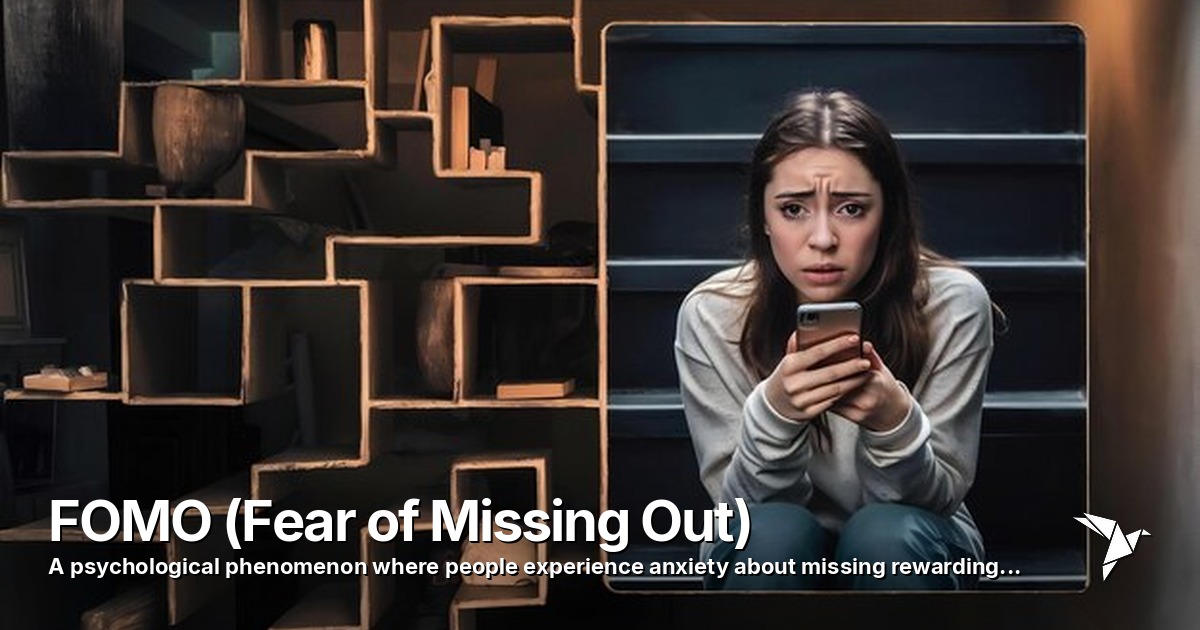
Psychological anxiety about missing out on experiences, leveraged by marketers to drive urgency and conversions through scarcity tactics.
Key Points
- ✓In a 2014 Eventbrite/Harris survey, 69% of U.S. millennials said they experience FOMO, which can also prompt reactive, impulse purchases
- ✓Scarcity-driven tactics like limited stock, countdown timers and flash sales trigger loss aversion psychology and push people to act quickly
- ✓Pairing FOMO with social proof pays off: a product with five reviews is 270% more likely to be purchased than one with none (Spiegel Research Center)
- ✓Ethical FOMO marketing requires genuine scarcity and value delivery to maintain trust and avoid customer fatigue
FOMO (Fear of Missing Out) is a psychological phenomenon involving anxiety over missing rewarding experiences, events, or opportunities that others are enjoying, often amplified by social media's constant stream of curated highlights 1. In social media marketing, FOMO leverages human instincts like scarcity and social proof to drive urgency, engagement, and conversions by making users fear exclusion from limited-time deals or trends 2.
The Psychology Behind FOMO
FOMO taps into fundamental human psychology, particularly social comparison theory and loss aversion. When people see others enjoying experiences they're not part of, it activates brain regions linked to pain and anxiety, prompting faster actions to affirm belonging 2. This psychological response is particularly powerful on social media platforms where curated highlights create an illusion that everyone else is living better, more exciting lives.
The phenomenon was first coined by marketing strategist Dan Herman in 1996, but it has become exponentially more relevant in the digital age. Social media platforms like Instagram, TikTok, and Facebook constantly expose users to others' experiences, creating a perfect breeding ground for FOMO 3.
FOMO's Impact on Consumer Behavior
FOMO is common among younger consumers: a 2014 Eventbrite survey of more than 2,000 U.S. adults, conducted by Harris, found that 69% of millennials experience FOMO, and that it drives them to show up, share and engage 6. FOMO can also prompt reactive, impulse purchases.
The scarcity-driven aspect of FOMO is particularly powerful: limited stock, limited-time offers and countdowns push consumers to act quickly to avoid the perceived loss of missing out on a deal or opportunity. This makes FOMO an incredibly valuable tool for marketers looking to drive immediate action and conversions.
How Marketers Leverage FOMO
Social media marketers harness FOMO through several proven strategies. Limited-time offers with countdown timers create urgency, while exclusive access to VIP events or early product drops makes customers feel special. Social proof notifications like "Others are buying now" or "Only 3 left in stock" tap directly into FOMO psychology 2.
On platforms like Instagram, Stories with countdown stickers can boost click-through rates. Live shopping streams on platforms like TikTok use the same tactic, pairing "last chance" offers with countdown timers to create urgency.
Real-time posts about trending products, sold-out events, or limited availability create buzz and align with loss aversion psychology—people prioritize avoiding regret over potential gains. This is why flash sales, exclusive drops, and time-sensitive offers perform so well on social media platforms.
Best Practices for Ethical FOMO Marketing
While FOMO can be highly effective, it's crucial to implement it ethically to maintain trust and avoid customer fatigue. Deliver genuine value by pairing urgency with real scarcity, such as limited stock or authentic time constraints, rather than artificial pressure tactics 2.
Use visual elements strategically—Instagram Stories countdown stickers, carousel posts showing limited quantities, and short-form videos with urgency messaging all perform well. Tools like Canva can help create compelling FOMO graphics that grab attention without appearing manipulative.
Segment your audience effectively—millennials and Gen Z respond particularly well to FOMO tactics, especially when combined with influencer collaborations and exclusive perks. However, monitor sentiment carefully to prevent anxiety overload, which can lead to negative brand associations.
Combine FOMO with social proof for maximum impact. Live purchase notifications, customer testimonials and user-generated content add social proof, and reviews show how strong that effect can be: Northwestern University's Spiegel Research Center found that the purchase likelihood for a product with five reviews is 270% greater than for a product with no reviews 5.
Measuring FOMO Campaign Success
Track key metrics like conversion uplift, engagement rates, and time-to-purchase to measure FOMO effectiveness. However, also monitor qualitative feedback and brand sentiment to ensure you're not creating negative experiences. Use A/B testing to find the right balance between urgency and value.
Platforms like Publora's analytics dashboard can help you track how FOMO campaigns perform across different social media channels, allowing you to optimize your approach for each platform's unique audience behavior.
Real-World FOMO Success Stories
Major brands have successfully leveraged FOMO across social platforms. Apple's product launches create massive FOMO through strategic hype campaigns on Twitter and Instagram, leading to instant sell-outs and long waiting lists. Fashion brands use TikTok live streams to showcase limited collections, while Nike's SNKRS app creates exclusive sneaker drops that generate massive social media buzz and resale markets.
The key to these successful campaigns is balancing genuine scarcity with valuable offerings, creating authentic excitement rather than manipulative pressure. When done correctly, FOMO marketing can significantly boost engagement, conversions, and brand loyalty while providing real value to customers.
Sources
- What Is FOMO (Fear of Missing Out)?
- What Does FOMO Mean in Marketing? Psychology, Examples, and Proven Strategies
- Fear of missing out
- How the FOMO Phenomenon Is Driving New Trends In Marketing
- How Online Reviews Influence Sales (Spiegel Research Center, Northwestern University)
- Millennials: Fueling the Experience Economy (Eventbrite and Harris, 2014)
Publora and FOMO (Fear of Missing Out)
Free tools for social posts: a LinkedIn text formatter with a live feed preview and font generators for every major network.
Browse free tools →