QR Code
Two-dimensional matrix barcodes that store data in a scannable visual pattern, allowing smartphones to access embedded links for social media profiles, campaigns, or digital experiences.
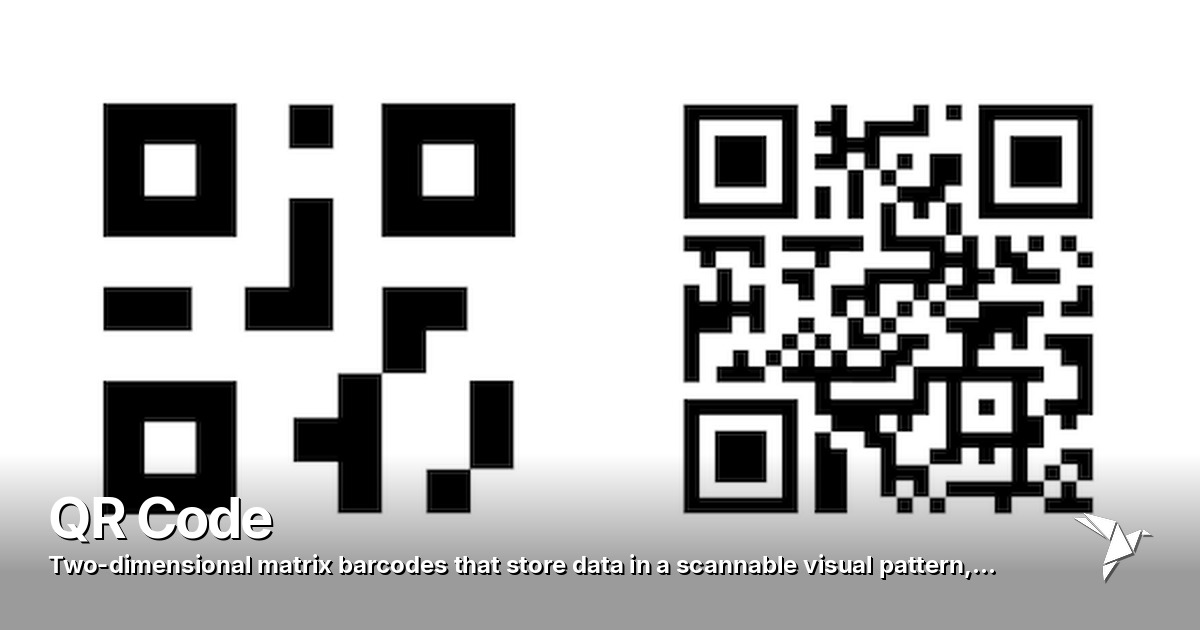
Scannable codes that bridge offline and online marketing by directing users to social media content, profiles, or campaigns with a simple smartphone scan.
Key Points
- ✓Bridge offline and online marketing by connecting physical touchpoints to digital social media experiences
- ✓Dynamic QR codes offer real-time editing, analytics tracking, and A/B testing capabilities for campaign optimization
- ✓Bypass platform link restrictions by enabling cross-platform navigation from embedded codes in posts or stories
- ✓Require high-contrast design, mobile-optimized landing pages, and clear CTAs for maximum scan success rates
A QR code (Quick Response code) is a two-dimensional matrix barcode that stores data in a scannable visual pattern, enabling smartphones to instantly access embedded links such as social media profiles, product pages, or augmented reality experiences 1. Unlike traditional barcodes, QR codes can hold significantly more data, support diverse content types, and require no specialized scanner, making them invaluable tools for bridging offline and online interactions in social media marketing.
The Rise of QR Codes in Social Media Marketing
QR codes have become a mainstream marketing channel since the pandemic: Insider Intelligence forecast that the number of US smartphone users scanning QR codes would grow from 83.4 million in 2022 to 99.5 million in 2025 5. Marketers increasingly incorporate QR codes into campaigns on platforms like Instagram and TikTok.
Since the pandemic, consumers have grown used to scanning a code instead of typing a URL, from restaurant menus to product packaging and event posters. This preference has made QR codes an essential component of modern social media strategies, enabling seamless transitions from physical touchpoints to digital engagement.
Strategic Applications in Social Media Marketing
QR codes serve as powerful connectors between physical and digital marketing touchpoints. They can be strategically placed on billboards, product packaging, flyers, or in-store displays to direct users to specific social media actions such as following profiles, viewing Stories, entering contests, or signing up for loyalty programs 3.
One of the most valuable applications is bypassing platform link restrictions. For instance, a QR code embedded in an Instagram Story can seamlessly direct users to a TikTok filter or Facebook group, creating cross-platform engagement opportunities that would otherwise be difficult to achieve.
Retailers frequently use QR codes to create in-store-to-online funnels, while service brands leverage them for review collection and booking processes. Campaign managers utilize QR codes to drive user-generated content through augmented reality experiences, creating interactive touchpoints that encourage social sharing and brand engagement.
Dynamic vs. Static QR Codes
The evolution from static to dynamic QR codes has revolutionized their marketing potential. Dynamic QR codes are editable after creation, allowing marketers to update destinations, track scan analytics, and personalize experiences in real-time 1. This flexibility enables sophisticated A/B testing of different designs, call-to-actions, or placements to optimize campaign performance.
Dynamic QR codes also provide valuable analytics data, including scan frequency, geographic location, device types, and time stamps. This data helps marketers understand user behavior patterns and refine their social media strategies accordingly.
Best Practices for Social Media QR Code Implementation
Successful QR code implementation requires attention to both technical and strategic details. Design-wise, use high-contrast, high-resolution codes; Bitly recommends printing QR codes at least 2 cm x 2 cm (about 0.8 in) and sizing them at roughly one-tenth of the expected scanning distance 6. Always surround QR codes with a clear quiet-zone margin (at least four modules wide) to prevent scanning errors and maintain visual clarity.
For optimal performance, pair QR codes with mobile-optimized landing pages that load in under three seconds. Include clear call-to-actions such as "Scan for Exclusive Filter" or "Get Instant Access" to encourage engagement. Implement UTM parameters to track traffic sources and distinguish between different social media platforms in your analytics.
Testing is crucial for success. Verify QR code functionality across various lighting conditions, devices, and scanning apps. Shorter URLs produce simpler, less dense codes that are easier to scan, while personalization through geo-targeting or user data can help improve conversion rates.
Real-World Success Stories
Major brands have demonstrated the power of QR codes in social media marketing through inventive campaigns. Coca-Cola Zero Sugar's #TakeATasteNow campaign put QR codes on more than 850 UK digital billboards; scanning one delivered an AR "digital bottle" to the phone that could be redeemed for a real bottle at Tesco.
Retailers also put QR codes on packaging and in-store materials that send customers to reviews, loyalty rewards or social profiles, turning a physical purchase into a digital follow.
Brands also share QR codes on Instagram that open AR try-on experiences, showing how a simple scan can lead into an immersive brand experience.
Tools and Platforms for QR Code Creation
Modern QR code creation has been simplified through various platforms and tools. Professional marketers often use dynamic QR code generators like QR Code Kit or Bitly for their analytics capabilities and editing flexibility. Adobe Express provides design-focused solutions for creating visually appealing codes that align with brand aesthetics.
For social media-specific applications, platforms like QR Planet offer social media QR codes that create hub pages linking multiple profiles simultaneously. This approach is particularly effective for influencers and brands maintaining presence across multiple platforms.
Integration with existing marketing tools is equally important. Platforms like Publora can help manage QR code campaigns alongside other social media activities, providing centralized tracking and optimization capabilities for comprehensive campaign management.
Future Trends and Considerations
The future of QR codes in social media marketing looks increasingly sophisticated. AI-enhanced generators are improving scan-to-social conversion rates, while augmented reality integrations are creating more immersive experiences.
As privacy concerns grow, marketers must balance personalization with user consent, ensuring QR code experiences respect data protection regulations while still delivering value. The key to success lies in creating genuine value for users rather than simply using QR codes as a novelty.
Publora and QR Code
Publora schedules posts to LinkedIn, X, Instagram, Threads, TikTok, YouTube, Facebook, Bluesky, Mastodon and Telegram from one calendar, the API or an AI agent.
See how Publora works →