Paid Reach
The number of unique users who see social media content through paid promotion like boosted posts, sponsored content, or targeted ads, extending reach beyond organic limitations.
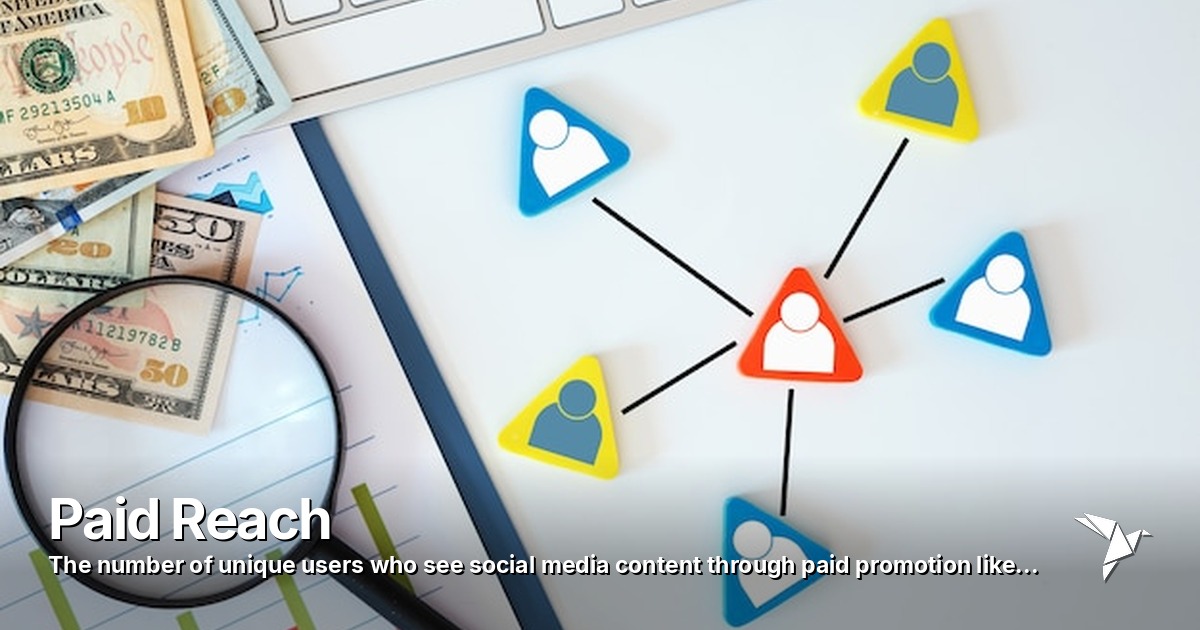
Paid visibility that lets brands buy exposure and target specific audiences beyond their organic follower reach.
Key Points
- ✓Paid reach extends content visibility beyond organic limitations through boosted posts and targeted advertising
- ✓Essential for overcoming declining organic reach, with Facebook organic posts reaching only about 1.25% of a page's followers on average (Socialinsider, 2026)
- ✓Enables precise audience targeting based on demographics, interests, behaviors, and locations
- ✓Works best alongside organic content: boost top-performing organic posts and use paid campaign insights to inform organic strategy
Understanding Paid Reach
Paid reach represents the number of unique users who view your social media content through paid promotional methods, including boosted posts, sponsored content, and targeted advertisements. Unlike organic reach, which relies on platform algorithms and natural sharing, paid reach allows brands to purchase visibility and extend their message beyond existing followers 1.
In today's social media landscape, paid reach has become essential for marketers. While organic posts on Facebook reach only about 1.25% of a page's followers on average (Socialinsider, August 2026), paid reach enables brands to overcome these algorithmic limitations and achieve precise audience targeting 5.
Why Paid Reach Matters
The importance of paid reach continues to grow as organic visibility declines across major platforms. Many businesses now pair organic posts with paid promotion, since algorithm changes limit free visibility.
On Instagram and Facebook, paid reach through boosted posts can extend visibility well beyond what organic content achieves. Paid campaigns let brands target specific demographics, interests, and behaviors, making paid reach a critical component of successful social media strategies.
How Paid Reach Works
Social media platforms operate on auction systems where advertisers bid for ad placements. These auctions consider three key factors: bid amount, ad relevance, and expected user action. Marketers can choose from various bidding strategies including Cost Per Click (CPC), Cost Per Mille (CPM), and Cost Per Action (CPA).
Paid reach enables precise targeting based on demographics, interests, behaviors, and locations. This granular control allows brands to reach specific audience segments, such as targeting users who visited their website but didn't convert, or finding lookalike audiences based on existing customer data.
The process typically involves promoting existing content through platform-native tools like Facebook Ads Manager, boosting high-performing organic posts, or creating dedicated advertising campaigns with custom creative assets.
Strategic Applications of Paid Reach
Marketers leverage paid reach across different stages of the marketing funnel. While organic content builds trust and engagement at the top of the funnel, paid reach accelerates mid-to-bottom funnel activities like retargeting website visitors and driving conversions.
Common applications include:
- Brand Awareness: Introducing new products or services to cold audiences
- Lead Generation: Promoting gated content like ebooks or webinars
- Event Promotion: Rapidly scaling visibility for time-sensitive campaigns
- Retargeting: Re-engaging users who previously interacted with your brand
For example, an e-commerce brand might use paid reach to promote carousel posts showcasing new products to users who visited their website in the past 30 days, significantly increasing the likelihood of conversion.
Best Practices for Maximizing Paid Reach
Successful paid reach campaigns require strategic planning and continuous optimization. Start with boosted posts to test content performance before investing in full advertising campaigns. This approach allows you to identify high-performing creative assets and audience segments cost-effectively.
Set clear objectives for each campaign, whether focused on awareness, engagement, or conversions. Use A/B testing to compare different creative variations, audience segments, and bidding strategies to optimize your spend.
Set aside part of your paid social budget for retargeting campaigns, which typically convert better than cold audience targeting. Monitor key performance indicators like CPM and click-through rates to ensure campaign efficiency.
Integration with organic efforts is crucial. Boost your best-performing organic posts to extend their reach, and use insights from paid campaigns to inform your organic content strategy. Leverage platform tools like Meta's Advantage+ for automated targeting that optimizes reach based on campaign objectives.
Measuring Paid Reach Success
Track paid reach alongside related metrics like impressions, frequency, and engagement rates. Use platform analytics dashboards to monitor real-time performance and adjust campaigns as needed.
Key metrics to monitor include reach-to-impression ratio (indicating content freshness), cost per thousand reached (CPM), and return on ad spend (ROAS). Tools like Hootsuite and native platform analytics provide comprehensive insights into paid versus organic performance.
Remember that paid reach is just one component of a holistic social media strategy. Combine it with strong organic content, community management, and influencer partnerships for maximum impact. Regular analysis and optimization ensure your paid reach investments deliver measurable business results.
Publora and Paid Reach
Publora analyzed 54,439 posts from 2,118 users: which networks they use, which days they post and how far ahead they schedule.
Read the scheduling study →