Organic Reach
The number of unique users who see your social media content through unpaid distribution, driven by algorithms, user engagement, and content relevance rather than ad spend.
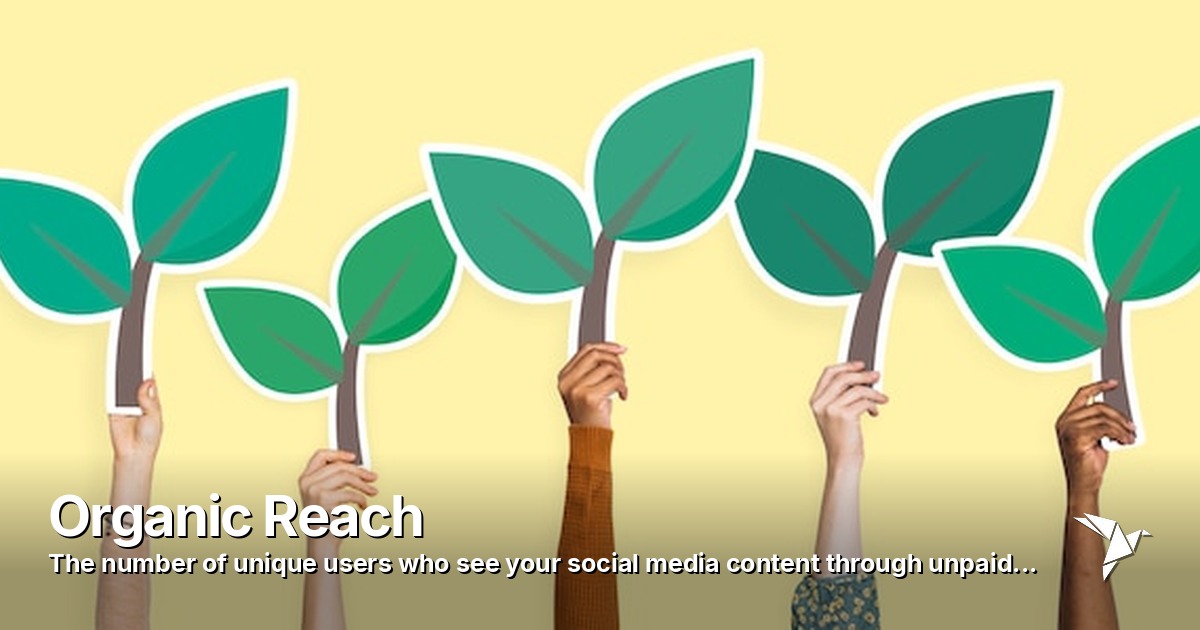
Unpaid visibility earned through followers' feeds, shares, and discovery features without advertising budget.
Key Points
- ✓Organic reach measures unique users who see your content without paid promotion, indicating authentic audience engagement and algorithm approval
- ✓Socialinsider's 2026 data puts average organic reach at 3.20% on Instagram and 1.25% on Facebook as of August 2026
- ✓Maximize organic reach through engagement-driven content, optimal posting times, video formats, and meaningful audience interactions
- ✓Track organic reach through platform analytics to identify successful content patterns and optimize future posting strategies
Organic reach represents the holy grail of social media marketing—the ability to connect with audiences without paying for every impression. It measures how many unique users see your content through natural distribution channels like followers' feeds, shares, recommendations, and platform discovery features such as Instagram Explore or TikTok's For You page.
Understanding Organic Reach vs. Other Metrics
Unlike impressions (which count total views including repeats) or paid reach (boosted through advertising), organic reach reflects genuine audience interest and platform algorithm approval. When someone shares your post or the algorithm recommends it to non-followers, you're earning organic reach—the most valuable form of visibility because it signals authentic engagement and content quality 1.
Current State of Organic Reach
The organic reach landscape has become increasingly challenging for marketers. Socialinsider's analysis of 872,075 brand posts found that, as of August 2026, average organic reach was 3.20% of followers on Instagram and 1.25% on Facebook 5. However, platforms like TikTok rely on recommendation-driven feeds, which can show posts to people who do not follow the account.
Low organic reach stems from saturated feeds and algorithm shifts that increasingly prioritize paid content. With enormous volumes of content posted to TikTok and Instagram every day, only the most engaging content breaks through the noise.
Strategic Importance for Social Media Marketers
Organic reach serves multiple critical functions in your social media strategy. First, it acts as a quality indicator—high organic reach signals that your content resonates with your target audience and aligns with platform algorithms. Second, it provides cost-effective growth by expanding your reach beyond paid campaigns through shares, saves, and algorithmic amplification 1.
Smart marketers use organic reach as the foundation for hybrid campaigns, where organic content builds trust and loyalty while paid promotion scales successful posts to new audiences. This approach maximizes both authenticity and reach efficiency.
Maximizing Your Organic Reach
Success in organic reach requires understanding what drives platform algorithms. Focus on creating engagement-driven content that encourages likes, comments, shares, and saves—these interactions signal quality to algorithms and extend your reach 1.
Content format matters significantly. Reels and video content typically achieve higher reach than static posts on Instagram, while carousel posts encourage swipes and longer engagement times. On TikTok, focus on watch time completion rates and content that inspires duets or responses.
Timing and consistency also impact organic reach. Use your platform analytics dashboard to identify when your audience is most active, and maintain regular posting schedules. However, avoid overposting, which can dilute your content's visibility and overwhelm your audience.
Platform-Specific Organic Reach Strategies
Each platform rewards different behaviors. On Instagram, prioritize Stories engagement, use 3-5 relevant hashtags, and encourage profile visits and saves. Facebook favors content that sparks meaningful conversations, particularly in groups and through comments.
TikTok's algorithm heavily weights completion rates and immediate engagement, making the first few seconds crucial. LinkedIn rewards professional insights and industry discussions, while Twitter/X amplifies timely, conversational content that encourages retweets and replies.
Measuring and Optimizing Organic Reach
Track organic reach through native platform analytics like Instagram Insights or Facebook Analytics, or use comprehensive tools like Hootsuite for cross-platform monitoring. Key metrics to watch include reach-to-follower ratios, engagement rates, and the percentage of reach coming from non-followers—indicating algorithmic amplification 4.
In Publora's analytics dashboard, you can easily compare organic reach across platforms and identify your top-performing content formats. Look for patterns in high-reach posts: What topics resonated? Which formats performed best? What posting times yielded maximum visibility?
Future of Organic Reach
As platforms continue evolving their algorithms, organic reach will likely become more competitive. Success will increasingly depend on creating genuinely valuable, engaging content that serves your audience's needs rather than just promoting your brand. Focus on building authentic community engagement, leveraging user-generated content, and staying agile with emerging platform features and trends.
Publora and Organic Reach
Publora analyzed 54,439 posts from 2,118 users: which networks they use, which days they post and how far ahead they schedule.
Read the scheduling study →