Profile Picture (PFP)
PFP stands for profile picture: the image shown next to your username on a social media account.
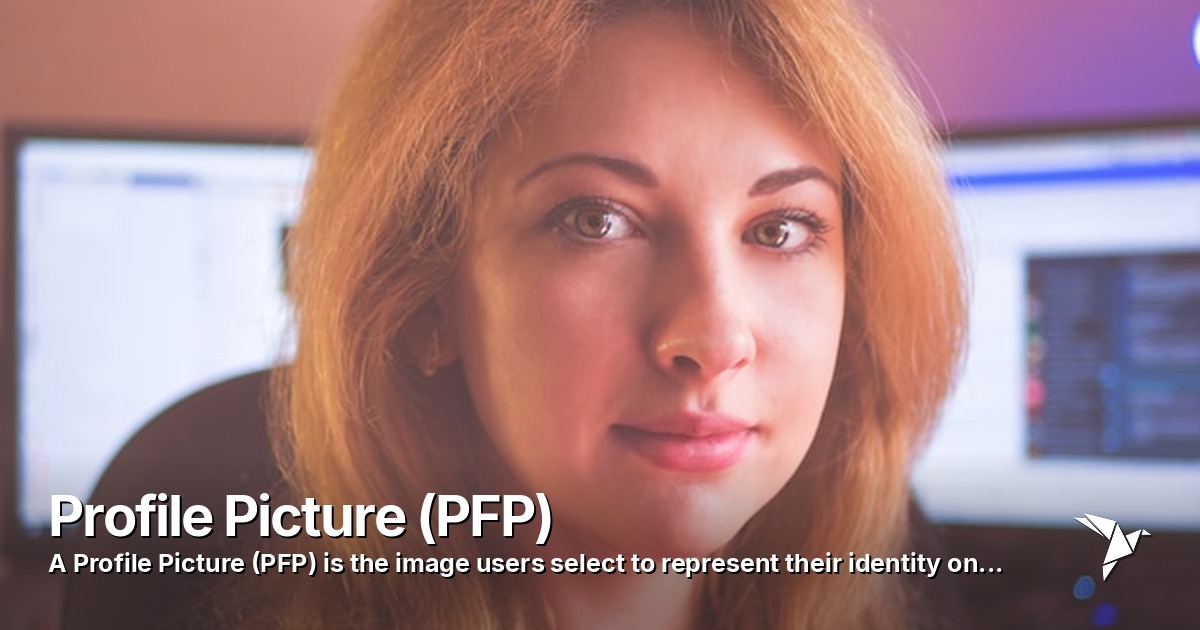
Visual identity marker on social platforms that builds recognition, trust, and brand consistency across digital touchpoints.
Key Points
- ✓PFPs serve as visual anchors for brand identity; LinkedIn has reported members with a photo get 21 times more profile views
- ✓Platform-specific formats require strategic design: apps show the picture at a small size, and Facebook crops Page pictures to a circle
- ✓Consistent PFPs across platforms help users instantly recognize brand content and support recall across customer journeys
- ✓High-resolution square images at each platform's recommended size (e.g., 400 x 400 pixels for LinkedIn Page logos) stay sharp at small sizes
Merriam-Webster added the abbreviation in February 2026 and dates its first known use to 2012. The picture appears beside your posts, comments and messages at a small size, so it is often the first thing people use to recognize an account. Individuals usually use a headshot and brands a logo.
Platform-Specific Display Formats
Different social media platforms display PFPs in unique ways to match their design aesthetics. Instagram and Twitter/X use circular crops, while LinkedIn maintains square formats on profiles. TikTok requires profile photos of at least 20x20 pixels to upload, though higher quality is recommended for clarity 3.
Understanding these format differences is crucial for marketers managing multiple platform presences. What works as a square logo on LinkedIn may lose important visual elements when cropped to a circle on Instagram, requiring strategic design considerations from the start.
Impact on Brand Recognition and Trust
A profile picture makes a measurable difference: LinkedIn has reported that members with a photo receive 21 times more profile views and 9 times more connection requests than those without one 4. This data underscores the critical role PFPs play in first impressions and user engagement across social platforms.
For brands, consistent PFPs across platforms can support recall across e-commerce customer journeys. This visual consistency helps users instantly recognize brand content in their feeds, whether they're scrolling through Facebook, browsing Instagram stories, or engaging with LinkedIn posts.2
Strategic Marketing Applications
In social media marketing, PFPs serve multiple strategic functions beyond simple identification. They build trust, enhance recognition, and maintain continuity across customer touchpoints. For e-commerce brands, a consistent logo PFP creates a seamless connection between social media engagement and shopping experiences.
Influencers often update their PFPs strategically during campaigns, aligning with content themes to drive follower growth and engagement. Marketing agencies use distinctive PFPs for client portfolio organization, making it easier to manage multiple brand accounts through platforms like Hootsuite or other social media management tools.
PFPs also integrate into advanced platform features like Instagram Story highlights and LinkedIn connection requests, amplifying visibility and potentially increasing conversion rates for businesses using these platforms strategically.
Technical Best Practices
Creating effective PFPs requires attention to technical specifications and platform requirements. Use a high-resolution square image at the size each platform recommends; LinkedIn, for example, recommends 400 x 400 pixels for Page logos, so the image stays sharp when it is shown at smaller sizes across different devices 5.
Consider platform-specific cropping when designing PFPs. For circular displays on Instagram and Twitter/X, center key visual elements to ensure they remain visible after cropping.
Professional headshots work best on LinkedIn where trust and credibility are paramount, while more creative or brand-focused imagery may perform better on platforms like Twitter/X where personality and brand voice are more prominent.1
Emerging Trends and Technologies
The PFP landscape continues evolving with new technologies and cultural trends. NFT PFPs gained significant traction among crypto communities on Twitter/X. 2
AI image generators are becoming popular tools for creating unique, brand-aligned PFPs. These tools allow marketers to generate custom imagery that stands out while maintaining brand consistency across platforms.
TikTok's recent updates emphasize optimized PFPs for For You Page visibility. This highlights the ongoing importance of platform-specific optimization strategies.
Measurement and Optimization
Smart marketers track PFP performance through various metrics and tools. Social listening platforms can analyze sentiment around profile imagery, while analytics dashboards can track profile visits and engagement rates following PFP changes.
Consider A/B testing different PFP approaches, especially for business accounts. Test professional headshots versus logo designs, or experiment with seasonal updates while maintaining core brand recognition elements.
For agencies managing multiple client accounts, tools like ContentStudio or Buffer help maintain PFP consistency across platforms while tracking performance metrics for each brand's visual identity strategy.2
Common Mistakes to Avoid
Avoid using low-resolution images that appear pixelated on high-definition displays. Don't choose overly complex designs that become unrecognizable at small sizes, particularly important for mobile users who represent the majority of social media traffic.
Resist the temptation to frequently change PFPs unless it serves a specific campaign purpose. Consistency builds recognition, and constant changes can confuse your audience and weaken brand recall.
Be mindful of platform-specific audience expectations. What works for a playful brand on TikTok might not translate well to the professional environment of LinkedIn.3
FAQ
What does PFP stand for?
PFP stands for profile picture, the image that represents you on a social media account. Merriam-Webster defines it as "an online profile picture" and dates its first known use to 2012.
Is PFP the same as an avatar?
In everyday use, mostly yes. Dictionary.com lists "profile picture, icon, avatar" as meanings of PFP, so the words are used for the same small image next to a username.
What size should a PFP be?
It depends on the network. X recommends 400 x 400 pixels, up to 2 MB, in JPEG, GIF or PNG. LinkedIn accepts profile photos from 400 x 400 to 7680 x 4320 pixels, up to 8 MB, in PNG or JPG. Facebook recommends 320 x 320 pixels for a Page picture, and TikTok requires at least 20 x 20 pixels.
What size should a PFP be on Instagram?
Instagram's help center does not publish a recommended profile photo size. A square image of at least 400 x 400 pixels, the size X recommends, will stay sharp when it is shown small.
Does a profile picture make a difference?
LinkedIn has reported that members with a profile photo get 21 times more profile views and 9 times more connection requests than members without one. The figure comes from LinkedIn's Sales Blog in December 2018.
Sources
- What is a Profile Picture (PFP)?
- PFP meaning: What does PFP stand for in social media?
- What is PFP (Profile Picture)?
- Picture Perfect: Make A Great First Impression with Your LinkedIn Profile Photo (LinkedIn Sales Blog, Dec 2018)
- Image specifications for your LinkedIn Pages and Career Pages | LinkedIn Help
Publora and Profile Picture (PFP)
Format a LinkedIn post with bold, italic and bullets, and preview where LinkedIn cuts it with “see more”.
Open the LinkedIn text formatter →