Multi-Agent System
A multi-agent system (MAS) consists of multiple autonomous AI agents that collaborate to solve complex social media marketing challenges beyond single-agent capacity.
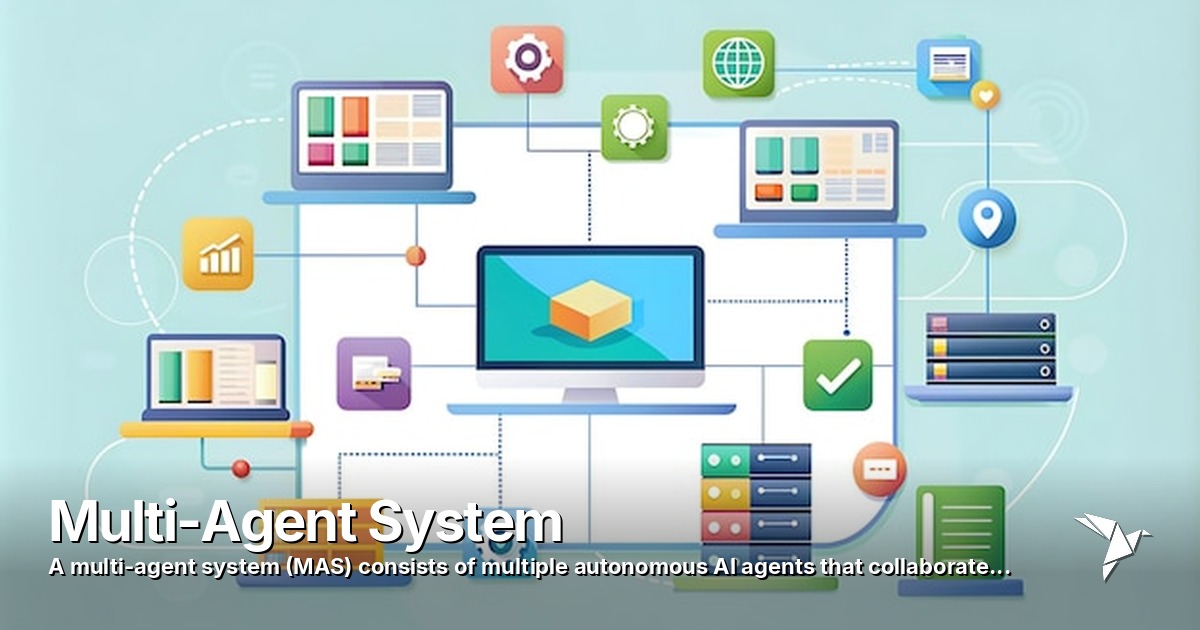
Multiple AI agents working together to automate and optimize social media campaigns through specialized roles and coordination.
Key Points
- ✓Multiple AI agents collaborate to handle complex social media marketing tasks beyond single-agent capabilities
- ✓Parallel processing by specialized agents shortens campaign workflows
- ✓Enterprise interest is growing as agent frameworks mature
- ✓Best practices include clear agent specialization, orchestration protocols, and starting small before scaling up
A multi-agent system (MAS) represents a revolutionary approach to AI-powered social media marketing, where multiple autonomous agents work together to solve complex problems that exceed the capabilities of any single agent. 1 Unlike traditional single-agent AI systems, MAS creates a collaborative ecosystem where specialized agents handle different aspects of social media marketing—from content creation and audience analysis to real-time campaign optimization across platforms like Instagram, TikTok, and Facebook.
How Multi-Agent Systems Work in Social Media Marketing
In social media marketing contexts, MAS operates through coordinated specialization. One agent might monitor user behavior patterns on Twitter/X, while another predicts trending topics, a third personalizes content for specific audience segments, and a fourth adjusts ad spending across channels in real-time. 3 This division of labor enables marketers to handle complex, multi-platform campaigns that would overwhelm traditional single-agent systems.
The system's power lies in its emergent intelligence—the collective capability that emerges from agent interactions exceeds what any individual agent could achieve. For example, when launching a product campaign, a strategy agent might orchestrate sub-agents responsible for paid social ads, influencer outreach, and CRM integration, coordinating the whole launch from one brief. 4
Key Components and Architecture
Effective MAS implementations in social media marketing feature several critical components. Autonomy allows each agent to make independent decisions within its domain—such as adjusting hashtag strategies based on performance data. Coordination ensures agents work together through orchestration protocols, preventing conflicts like posting duplicate content or exceeding daily posting limits.
Scalability enables marketers to easily add new agents as campaigns grow more complex, while interoperability ensures agents can communicate across different platforms and tools. 1 This architecture supports everything from simple automated posting schedules to sophisticated cross-platform retargeting campaigns that adapt in real-time to user behavior.
Market Adoption
Interest in MAS for marketing is growing as agent frameworks mature and more marketing tools expose APIs that agents can use.
MAS-powered campaigns can continuously optimize based on real-time data, and parallel processing shortens marketing workflows because agents work on separate tasks at the same time.
Practical Implementation Strategies
When implementing MAS for social media marketing, successful organizations follow proven best practices. Start with clearly defined agent roles to avoid overlaps—assign one agent to analytics dashboard monitoring, another to content generation, and a third to A/B testing optimization. This specialization ensures each agent can develop deep expertise in its domain.
Implement robust orchestration layers that coordinate agent activities while maintaining guardrails. Set clear parameters such as maximum daily posts, budget limits, and compliance requirements for each platform. Begin with a small team of agents for testing, monitoring KPIs like engagement rates and conversion metrics before scaling up.
Real-World Applications and Use Cases
Leading brands are already leveraging MAS to transform their social media marketing operations. E-commerce companies deploy agent teams where one monitors TikTok video engagement, another analyzes purchase behavior to suggest personalized promotions, and a third optimizes messaging across social and email channels. This coordinated approach mirrors the sophisticated retargeting campaigns that follow users across the web.
Content creation workflows have been revolutionized through MAS implementation. Strategy agents analyze campaign briefs and audience data, ideation agents generate tailored content from CRM insights, and action agents deploy content through social APIs while ensuring platform compliance. 4 CleverTap, a marketing platform vendor, says that running specialized agents in parallel rather than one after another can shrink campaign ideation and testing from weeks to hours 4.
Integration with Social Media Management Platforms
Modern MAS implementations integrate seamlessly with social media management platforms like Publora, enhancing existing workflows rather than replacing them. Agents can automatically schedule carousel posts and apply best time to post strategies across multiple platforms simultaneously.
The technology particularly excels in managing complex campaigns that span multiple social platforms. For instance, agents can coordinate stories content across Instagram and Facebook while simultaneously managing YouTube Shorts and optimizing LinkedIn professional content—all while maintaining brand consistency and platform-specific best practices.
Future Outlook and Emerging Trends
The future of MAS in social media marketing points toward even greater sophistication and integration. MAS is increasingly used for predictive trend analysis and real-time campaign optimization. This evolution will enable marketers to create truly responsive campaigns that adapt to changing audience preferences and platform algorithms automatically.
Emerging applications include advanced sentiment analysis across platforms, automated influencer relationship management, and sophisticated social selling optimization. As the technology matures, we can expect to see MAS becoming the standard approach for enterprise social media marketing, offering unprecedented levels of personalization and efficiency.
Publora and Multi-Agent System
The Publora API and MCP server publish and schedule posts to 10 networks from your own code or from AI assistants like Claude, ChatGPT and Cursor.
See the Publora API →