Content Pipeline
A systematic, repeatable process for planning, creating, editing, distributing, and analyzing social media content to ensure consistent flow of engaging material that drives marketing goals.
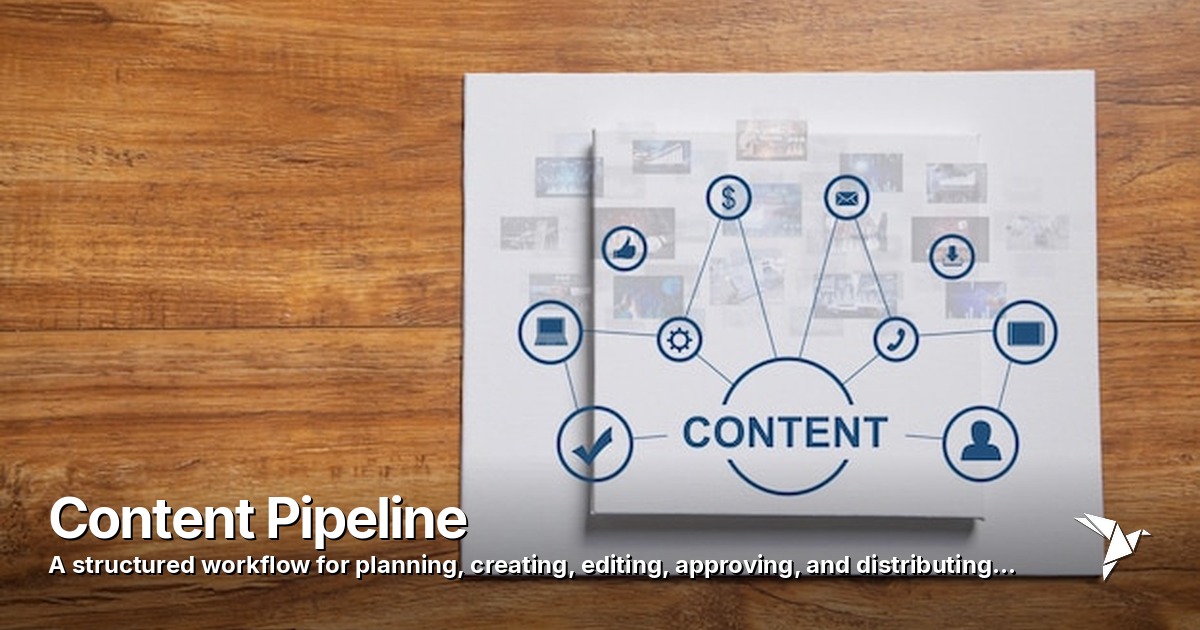
Structured workflow system that streamlines social media content from ideation to performance analysis for consistent audience engagement.
Key Points
- ✓Systematic 8-stage process from content ideation to performance analysis that ensures consistent social media output
- ✓Structured pipelines keep output consistent, which sporadic posting cannot
- ✓Platform-specific optimization allows COPE strategy - create once, publish everywhere with tailored formatting
- ✓Data-driven measurement helps spot creative fatigue and shows which content earns shares
A content pipeline is a systematic, repeatable process for planning, creating, editing, distributing, and analyzing content to ensure a consistent flow of engaging material that drives marketing goals like audience growth, lead generation, and conversions 1. Unlike ad-hoc posting, it structures workflows from ideation based on audience research to performance measurement, optimizing content for platforms like Instagram, TikTok, and LinkedIn.
Why Content Pipelines Matter for Social Media Success
In today's fast-paced social media landscape, brands need more than sporadic posting to maintain audience engagement. A well-structured content pipeline ensures that your social media presence remains active, relevant, and strategically aligned with your marketing objectives. This systematic approach integrates with sales funnels, tracking metrics such as engagement rates and conversions to refine future output 1.
A structured pipeline makes output predictable, so the team can publish consistently and deliver content faster across social channels.
Key Components of an Effective Content Pipeline
A successful content pipeline consists of eight critical stages that create a continuous loop of improvement:
- Inputs: Gathering trends, user data, and audience insights
- Brief: Creating detailed content specifications and objectives
- Produce: Developing assets optimized for specific platforms
- Review: Quality assurance and brand alignment checks
- Approve: Final sign-off from stakeholders
- Launch: Strategic distribution across social channels
- Measure: Performance analysis using analytics dashboards
- Learn: Insights integration for future content optimization
This structured approach ensures that every piece of content serves a purpose in your broader social media strategy, from awareness-building viral hooks to conversion-driving CTAs 3.
Platform-Specific Pipeline Optimization
Different social media platforms require tailored approaches within your content pipeline. For TikTok, focus on trend-responsive short-form video content that can be produced quickly. Instagram pipelines should accommodate both Reels and carousel posts, while LinkedIn requires more professional, thought-leadership content.
The "Create Once, Publish Everywhere" (COPE) strategy allows marketers to adapt core content across multiple platforms efficiently. This approach, supported by headless CMS systems, enables brands to maintain platform-specific optimization while maximizing content ROI 2.
Measuring Pipeline Performance
Effective content pipelines rely on robust measurement frameworks. Key metrics include engagement rates, conversion attribution, and content velocity. For advertising content, a steady pipeline of new creative helps counter ad fatigue on platforms like Meta and TikTok 3.
Consistent, planned content supports long-term relationships with customers. This data-driven approach allows marketers to continuously refine their content strategy based on actual performance rather than assumptions.
Best Practices for Implementation
To maximize your content pipeline's effectiveness, start with clear audience personas and platform-specific research. Define fixed weekly outputs to avoid production stalls, and implement quality control checkpoints at each stage. Collaboration between content teams and sales departments ensures pipeline integration and proper attribution tracking.
Tools like Hootsuite for scheduling, Google Analytics for measurement, and project management platforms help streamline operations. Refresh older content regularly to maintain audience interest.
Future of Content Pipelines
More social media teams are adopting pipeline tools as AI automation matures. This shift toward automated content pipelines will enable more personalized, data-driven social media strategies while maintaining the human creativity that drives authentic engagement.
For Publora users, implementing a structured content pipeline means more consistent posting schedules, better cross-platform content optimization, and improved ROI measurement across all social media activities.
Publora and Content Pipeline
The Publora API and MCP server publish and schedule posts to 10 networks from your own code or from AI assistants like Claude, ChatGPT and Cursor.
See the Publora API →