Content Scheduling
Content scheduling is the process of planning and automating social media posts to publish at predetermined dates and times across platforms, enabling consistent posting without manual intervention.
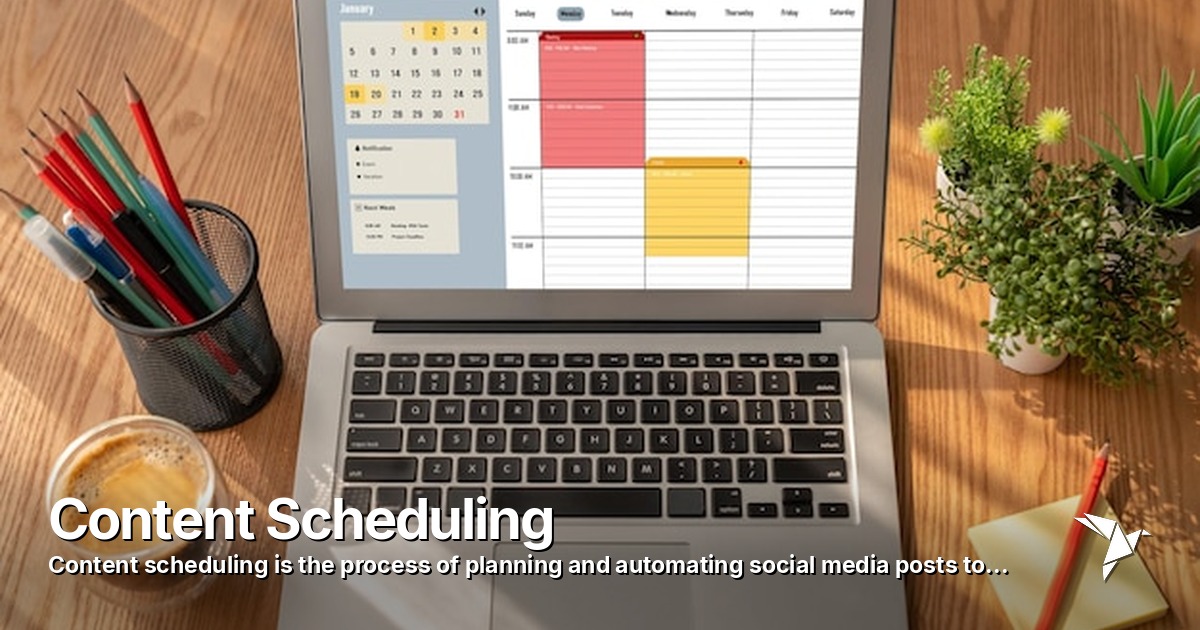
Automated planning and publishing of social media content at optimal times for maximum engagement and efficiency.
Key Points
- ✓Automates social media posting across multiple platforms to maintain consistent brand presence without manual intervention
- ✓A Journal of Marketing study found optimized scheduling by time of day and content type could raise gross profits by at least 8%
- ✓Enables efficient batch content creation and cross-platform repurposing for maximum content value
- ✓Integrates with analytics tools to optimize posting times and measure performance for continuous improvement
Content scheduling is the strategic process of planning, creating, and automating the publication of social media posts in advance across multiple platforms. This powerful marketing technique allows brands to set specific dates and times for content to go live without requiring real-time manual posting, enabling consistent engagement with audiences even outside business hours.
How Content Scheduling Works
At its core, content scheduling involves using specialized tools or native platform features to queue up posts for automatic publication. Marketers can batch-create content weeks or months in advance, customize posts for different platforms, and leverage analytics dashboards to determine optimal posting times1. This approach transforms social media management from a reactive, time-intensive process into a strategic, data-driven operation.
Modern scheduling platforms integrate with major social networks including Facebook, Instagram, Twitter/X, LinkedIn, TikTok, and YouTube, allowing marketers to manage multiple accounts from a single dashboard3.
Strategic Benefits for Social Media Marketing
Content scheduling delivers measurable improvements in marketing efficiency and performance. A study in the Journal of Marketing that analyzed 366 days of Facebook posts from a top-50 U.S. newspaper found that an optimized scheduling algorithm, accounting for time of day and content type, could increase gross profits by at least 8% 5.
The strategic advantages extend beyond simple automation. Scheduling enables marketers to maintain consistent brand presence across time zones, plan comprehensive campaigns through content calendars, and post during peak audience activity periods even when teams are offline3. This consistency is crucial for building brand awareness and maintaining engagement momentum.
For global brands, scheduling becomes essential for reaching international audiences. Many scheduling platforms now analyze audience activity to suggest the best times to post, making timing strategy a key component of social media success.
Implementation Best Practices
Successful content scheduling requires strategic planning and ongoing optimization. Start by building a comprehensive content calendar that outlines posts, themes, and campaigns on a weekly or monthly basis. This organizational framework ensures content aligns with marketing objectives and seasonal trends2.
Timing optimization is crucial for maximizing engagement. Use platform analytics or third-party tools to identify when your target audience is most active. Tools like Hootsuite offer "Best Time to Publish" features that analyze audience behavior patterns and suggest optimal posting windows based on specific goals like awareness or sales2.
Content diversification prevents audience fatigue and maintains engagement. Mix various content types including images, short-form videos, infographics, carousel posts, and interactive elements like polls. This variety keeps your feed dynamic and caters to different audience preferences across platforms3.
Platform-Specific Scheduling Strategies
Each social media platform has unique characteristics that influence scheduling strategy. Instagram posts perform well with high-quality visuals and Stories scheduled throughout the day. LinkedIn content works best during business hours and weekdays, while TikTok thrives with trending audio and timely content that may require last-minute adjustments.
Cross-platform repurposing is a key scheduling strategy. A single piece of content can be adapted for multiple platforms - a YouTube video can become Instagram Reels, TikTok videos, and LinkedIn posts with platform-specific optimizations. This approach maximizes content value while maintaining consistent messaging across channels2.
Tools and Technology Integration
Modern scheduling tools offer sophisticated features beyond basic automation. Native scheduling options like Meta Business Suite and Twitter Studio provide platform-specific insights, while third-party solutions like Hootsuite, Buffer, and Sprout Social offer comprehensive multi-platform management4.
Advanced scheduling platforms integrate with Google Analytics and other tracking tools to measure post performance and optimize future scheduling decisions. AI is now routine in marketing workflows: HubSpot's 2026 State of Marketing report found that 80% of marketers use AI for content creation, and scheduling tools increasingly add AI-driven recommendations as multi-platform management becomes more complex 6.
For agencies and larger organizations, scheduling tools often include team collaboration features, approval workflows, and client access controls. These capabilities streamline content production and ensure brand consistency across multiple accounts and team members.
Measuring Success and Optimization
Effective content scheduling requires continuous monitoring and optimization. Track key metrics including engagement rates, reach, views, and likes to identify which posting times and content types perform best for your audience. Use these insights to refine your scheduling strategy and improve overall social media performance.
Remember that while scheduling provides structure and efficiency, maintaining authenticity requires balancing automated posts with real-time engagement and trending topic participation. The most successful brands use scheduling as a foundation while remaining flexible enough to capitalize on unexpected opportunities and engage in timely conversations.
Sources
- What is social media scheduling?
- Content Planning for Social Media in 8 Steps [2024 Guide]
- How to Do Social Media Scheduling: A Definitive Guide [2024]
- Content Scheduling
- Scheduling Content on Social Media: Theory, Evidence, and Application (Kanuri, Chen & Sridhar, Journal of Marketing, 2018)
- 2026 State of Marketing Report | HubSpot
Publora and Content Scheduling
Publora schedules posts to LinkedIn, X, Instagram, Threads, TikTok, YouTube, Facebook, Bluesky, Mastodon and Telegram from one calendar, the API or an AI agent.
See how Publora works →