Team Collaboration
The coordinated process where multiple team members work together to plan, create, approve, and analyze social media content across platforms to ensure consistent branding and efficient workflows.
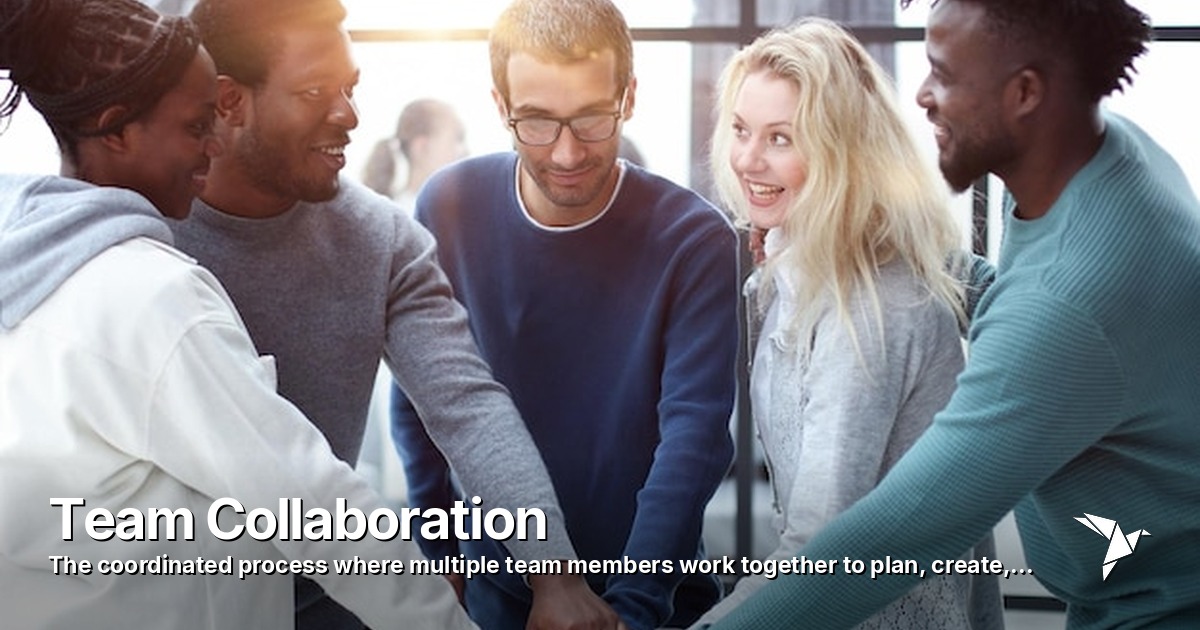
Multiple team members collaborating on social media content planning, creation, and analysis for consistent branding and efficient workflows.
Key Points
- ✓Collaborative tools bring several perspectives into content creation, from strategy and copywriting to design and community management
- ✓Structured workflows help teams produce content faster by moving briefs, drafts and approvals through a defined sequence instead of scattered email threads
- ✓Effective collaboration requires clear role definition, shared calendars, approval processes, and centralized asset management
- ✓Asana's Anatomy of Work Index found knowledge workers spend 60% of their time on "work about work", which slows the timely, consistent posting algorithms reward
Team collaboration in social media marketing represents the coordinated effort where multiple specialists—including content creators, designers, community managers, and analysts—work together to plan, create, approve, publish, and analyze content across various social platforms. This strategic approach ensures consistent branding, streamlined workflows, and maximized engagement through diverse expertise and coordinated efforts.
The Strategic Importance of Team Collaboration
Modern social media marketing demands a multifaceted approach that no single individual can effectively manage alone. Team collaboration leverages diverse skill sets to produce comprehensive content that resonates with target audiences while eliminating redundancies and scaling efforts for managing multiple accounts or clients 1. This collaborative framework is essential for maintaining brand consistency by aligning voice, visuals, and messaging across all platforms, preventing conflicting posts that could confuse followers and dilute brand identity.
The impact of effective team collaboration extends beyond content quality. Collaborative tools let teams bring several perspectives into content creation, from strategy and copywriting to design and community management. Agencies with structured collaborative workflows can produce content faster, because briefs, drafts and approvals move through a defined sequence instead of scattered email threads.
Core Components of Social Media Team Collaboration
Successful team collaboration in social media marketing involves several key components that work together to create a seamless workflow. Content calendars serve as the foundation, allowing teams to map posts across platforms like Instagram, TikTok, and LinkedIn while assigning specific roles to team members 1.
Approval workflows represent another critical component, routing content drafts through systematic reviews to ensure compliance with brand guidelines before scheduling. This process is particularly vital for agencies managing multiple client accounts, where brand-specific calendars, asset sharing, and performance tracking prevent operational silos 2.
The collaborative approach scales effectively to handle multiple platforms through unified dashboards, enabling coordinated real-time responses during campaigns and maintaining consistent messaging across all touchpoints.
Best Practices for Effective Team Collaboration
Implementing successful team collaboration requires adherence to proven best practices that maximize efficiency and output quality. Role definition stands as the cornerstone of effective collaboration, whether working with small 2-3 person teams or larger 4-6 person groups. Clear assignments might include content creators for copy and graphics, community managers for engagement, and analytics specialists for performance tracking 2.
Establishing shared calendars and approval processes using visual planning tools helps eliminate bottlenecks and ensures timely content delivery. Regular check-ins, including daily huddles, weekly planning sessions, and performance reviews, maintain team alignment and facilitate continuous improvement 2.
Centralizing assets and guidelines proves essential for maintaining consistency. Teams should document voice and tone guidelines, visual standards, and response protocols to ensure all team members can access and apply brand standards uniformly 1. Fostering a feedback culture encourages constructive input and enables teams to track metrics for strategy refinement.
Tools and Technologies for Collaboration
Modern team collaboration relies heavily on specialized tools designed to streamline social media workflows. Platforms like ContentStudio, SocialRails, and Kontentino provide comprehensive solutions for calendar management, approval workflows, multi-user access, and cross-platform analytics 1 2.
Project management tools such as Asana and Trello complement social media-specific platforms by handling task assignments and deadline tracking 1. Asset libraries for templates, videos, and brand materials ensure all team members have access to approved resources, maintaining visual consistency across campaigns.
Measuring Collaboration Success
Poor coordination has a measurable cost. Asana's Anatomy of Work Index, a survey of more than 10,000 knowledge workers, found that they spend 60% of their time on "work about work" such as chasing updates and switching between tools, which slows the timely, consistent posting that platform algorithms reward 5.
Key performance indicators for collaboration success include content production velocity, approval cycle time, brand consistency scores, and engagement rate improvements. Teams should regularly assess these metrics to identify areas for workflow optimization and ensure collaborative efforts translate into tangible business results.
Real-World Applications and Examples
Leading brands demonstrate the power of effective team collaboration through their social media strategies. Global companies use shared calendar systems to coordinate creators and analysts for consistent messaging across Instagram and TikTok, resulting in significant engagement improvements. Multi-person teams employ approval workflows for high-volume content periods, blending video specialists and community managers to maintain brand tone during peak posting times 2.
Smaller agencies managing client accounts through collaborative platforms demonstrate how role-based permissions prevent duplicate posts while boosting reach through coordinated efforts. These examples illustrate how team collaboration enhances content quality, operational efficiency, and return on investment in increasingly competitive social media landscapes.
For social media marketing professionals using platforms like Publora, implementing structured team collaboration workflows can significantly improve campaign outcomes while reducing the complexity of managing multiple accounts and team members across various social platforms.
Sources
Publora and Team Collaboration
Publora schedules posts to LinkedIn, X, Instagram, Threads, TikTok, YouTube, Facebook, Bluesky, Mastodon and Telegram from one calendar, the API or an AI agent.
See how Publora works →