Customer Journey
The complete sequence of experiences and interactions a potential customer has with a brand across social media channels, from initial awareness to purchase and advocacy.
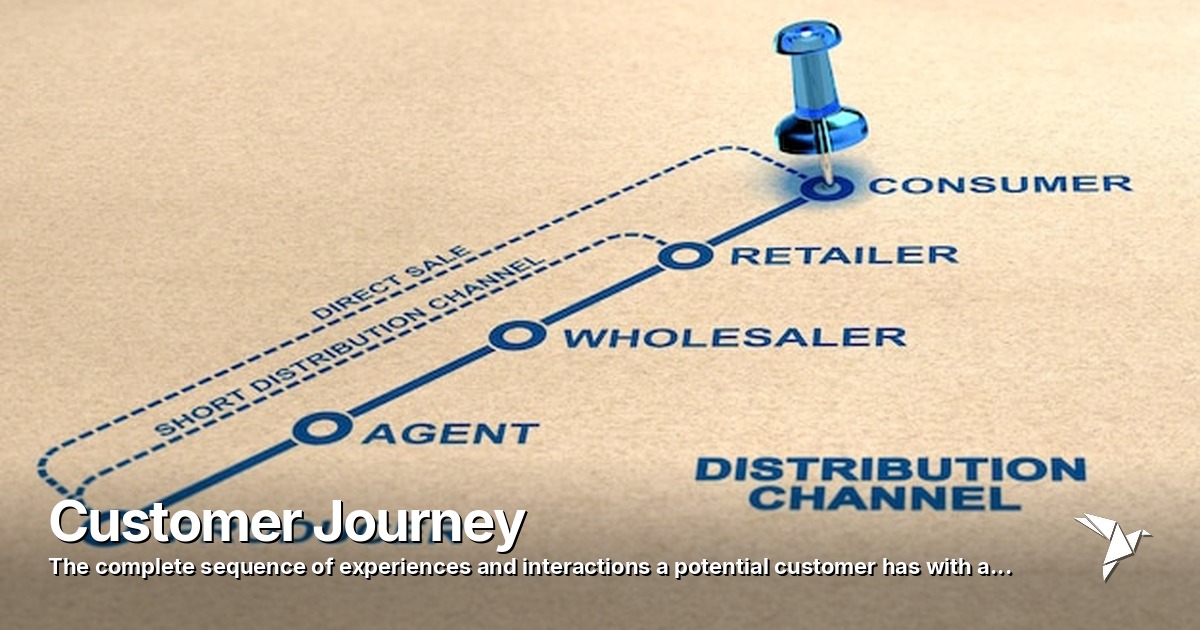
Maps customer touchpoints across social platforms to optimize marketing efforts at each stage of the buying process.
Key Points
- ✓Maps the complete sequence of customer interactions across social media platforms from awareness to advocacy
- ✓Follows non-linear paths influenced by the 4S framework: Streaming, Scrolling, Searching, and Shopping
- ✓Requires platform-specific optimization strategies for different journey stages and customer touchpoints
- ✓Enables data-driven personalization, which McKinsey finds most often drives a 10-15% revenue lift
The customer journey in social media marketing represents the complete sequence of experiences and interactions a potential customer has with a brand across online channels, from initial awareness to purchase, retention, and advocacy1. Unlike traditional linear marketing funnels, today's customer journey incorporates the modern 4S framework (Streaming, Scrolling, Searching, Shopping), emphasizing non-linear paths influenced by social media behaviors4.
Understanding the Customer Journey Stages
The modern customer journey consists of five key stages that social media marketers must understand and optimize:
- Awareness: Customers discover a need or problem through viral content, hashtags, or targeted ads on platforms like Instagram and TikTok
- Consideration: Potential customers research options through user testimonials, Stories, and peer recommendations
- Decision: The purchase phase, often facilitated by shoppable posts, CTAs, and retargeting campaigns
- Retention: Post-purchase support through DMs, loyalty programs, and ongoing engagement
- Advocacy: Customers become brand ambassadors, sharing experiences and creating user-generated content
Customer journeys rarely follow a straight line, and social media now plays a major role at the discovery stage: Sprout Social cites its 2026 Social Content Strategy Report finding that social networks including TikTok, Instagram and YouTube collectively drive over 60% of product discovery 5.
The Role of Social Media Touchpoints
Social media platforms serve as critical touchpoints throughout the customer journey. Each interaction—whether it's a like, comment, share, or view—contributes to the overall customer experience. Word of mouth carries weight at every stage: Nielsen's 2021 Trust in Advertising survey found that 88% of global respondents trust recommendations from people they know more than any other channel 6.
Modern customers seamlessly move between platforms during their journey. They might discover a product through a TikTok video, research it on Instagram, read reviews on Facebook, and make the final purchase through a link in bio or shoppable post.
Mapping and Optimizing Customer Journeys
Successful social media marketers create detailed Customer Journey Maps (CJMs) to visualize and optimize each stage2. This process involves:
Data Collection: Use platform analytics dashboards, surveys, and customer feedback to understand behavior patterns. Tools like Google Analytics and native platform insights provide valuable journey data.
Touchpoint Identification: Map every interaction point across platforms, from initial ad exposure to post-purchase follow-up. Consider both owned touchpoints (your content) and earned touchpoints (user-generated content and shares).
Pain Point Analysis: Identify friction points where customers drop off or experience frustration. Common issues include unclear CTAs, broken links, or inconsistent messaging across platforms.
Personalization Implementation: Deploy AI-driven personalization strategies that adapt content based on customer behavior and preferences. McKinsey research shows that personalization most often drives a 10 to 15% revenue lift, with company-specific results ranging from 5 to 25% depending on sector and execution 7.
Platform-Specific Journey Optimization
Different social media platforms excel at different journey stages. TikTok and Instagram Reels are powerful for awareness through trending content and hashtags. Instagram Stories and carousel posts work well for consideration, allowing detailed product showcases and social proof.
For the decision stage, shoppable posts on Instagram and Facebook enable seamless purchasing. LinkedIn excels for B2B customer journeys, particularly in the consideration and decision phases through thought leadership content and professional networking.
Retention efforts benefit from personalized DMs, exclusive content in Stories, and community building through groups or live sessions. Advocacy is fostered through user-generated content campaigns, branded hashtags, and featuring customer stories.
Measuring Journey Success
Effective customer journey optimization requires continuous measurement and refinement. Key metrics include journey completion rates, time between stages, and conversion rates at each touchpoint. Businesses using Customer Data Platforms (CDPs) can spot drop-off points and optimize journeys in real time by unifying customer data from every touchpoint.
Social media marketers should track engagement metrics like views, likes, and comments at the awareness stage, click-through rates and saves during consideration, and conversion rates and revenue attribution for the decision phase. Post-purchase metrics include customer lifetime value, repeat purchase rates, and advocacy indicators like user-generated content creation and referral rates.
For Publora users, integrating customer journey mapping with social media management workflows enables more strategic content planning and automated journey optimization across multiple platforms, ensuring consistent messaging and timely engagement at every stage of the customer experience.
Sources
- Digital Customer Journey: Definition, Stages and Optimizing
- What is the Customer Journey? Definition, Stage & Template 2024
- Mapping Your Customer's Journey: The Key to Targeted Marketing in 2024
- Dinmo
- Social Media Interaction: What it is and How to Win it in 2026 (Sprout Social)
- Beyond martech: building trust with consumers and engaging where sentiment is high | Nielsen
- The value of getting personalization right—or wrong—is multiplying (McKinsey, 2021)
Publora and Customer Journey
Publora analyzed 54,439 posts from 2,118 users: which networks they use, which days they post and how far ahead they schedule.
Read the scheduling study →